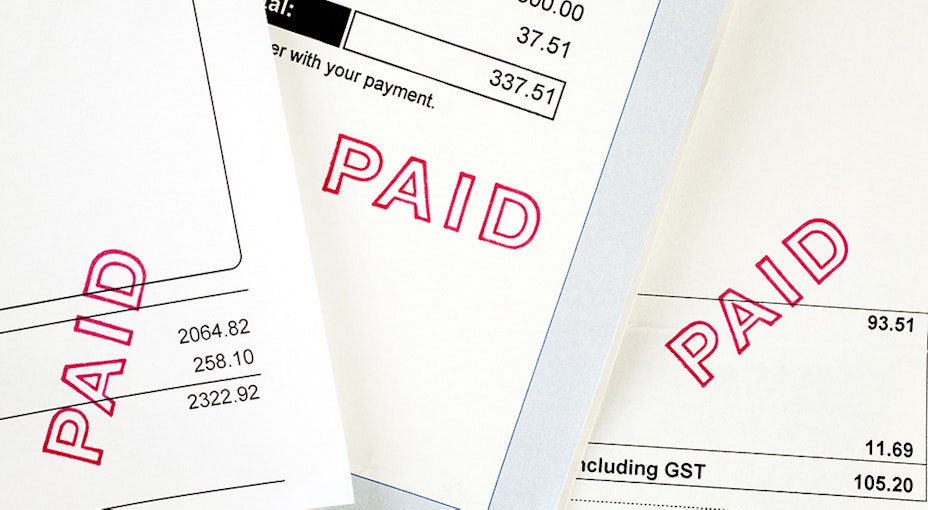
Tips to ensure your invoices are always paid on time
Late payments cost the UK economy £11 billion a year, according to figures from the Small Business Commissioner. Chasing invoices is always a challenge, but it becomes critical if your client claims insolvency and cannot pay what they owe. To protect against these losses, credit insurance can help mitigate potential financial losses.
Updated: 27.02.26
By Alan Boswell Group
To help you stay on top of invoices and keep your balance sheet ticking along, here are ten practical ways to avoid late payments.
The impact of late payments on UK businesses
Shockingly, 14,000 businesses close each year due to late payments.
Statistics also reveal some industries are more likely to experience insolvency, specifically construction, car and motorbike repairs, and accommodation and food services. This increased risk of insolvency subsequently raises the risk of non-payment throughout their supply chains.
Tips for getting paid faster
Getting paid shouldn’t have to be a challenge, but with more than one quarter of businesses affected by late payments, juggling cash flow is an issue many businesses regularly face.
Here are our top tips to help speed up the process:
Know your customer
Carrying out due diligence before working with a client can help minimise the risk of non-payment. You can do this by checking the business is solvent at GOV.UK, get information about a company.
You can also perform a credit check on firms with one of the main or specialist credit reference companies (most insurers will also insist that you carry out these checks if you want to buy credit insurance, and some policies will do this for you):
Agree on your terms upfront
Always be clear and specific when you agree on your scope of work and your conditions of business. It’s also essential to be explicit about payment terms, so specify when you expect invoices to be paid, for example, 30-day or 60-day payment terms. Agreements should be signed and agreed upon before any work begins.
Ideally, you should also include what happens if extra time, work, or support is provided, and how this will be reflected on the invoice, so that all parties know where they stand, and reduce the risk of payment delays.
Invoice as soon as possible
The sooner you send your invoices, the quicker you’re likely to be paid, so don’t wait until month-end to get your invoice together. Having an up-to-date template can also help speed up the process.
Be accurate
Your invoice should be correct and include a Purchase Order number or reference so your client’s accounts team can match up your information with theirs. Also, double-check any other details, for example, if you need to send your invoice to a particular person or upload it to a portal.
Make paying easy
Online transfers make payment significantly easier. Account details or any payment links should be clearly visible to make it as easy as possible to process and pay invoices.
Send reminders
If it’s getting close to your payment terms deadline, you may want to send a gentle reminder.
Consider offering a discount for early payment
Discounts don’t have to be big, and a small incentive might help you get paid quicker. For example, you could offer up to 5% off if invoices are paid within a week.
Stop work if you’re billing in phases
If you’re part of a long-term project and billing in instalments, you could stop working if previous invoices remain unpaid. While that might feel drastic, it may help get your invoice paid.
Charge a late payment fee and interest
You can encourage payment by adding a late payment fee and charging interest – just make sure it’s clearly stated in your terms of business.
If your contract doesn’t specify payment terms, you can consider the payment late 30 days after your customer receives the invoice, or from when you deliver the product or service (if this is later). If this happens, you can add ‘statutory interest’ to the outstanding amount.
Take legal action
If your invoice remains unpaid despite contacting your client, you can take legal action. If your claim is for less than £25,000, you can do this online at GOV.UK, make a court claim for money.
Charging interest and claiming compensation for late payments
Under the Late Payments of Commercial Debts (Interest) Act 1998, firms can add statutory interest to late payments.
Statutory interest is currently 8% plus the Bank of England’s base rate for business transactions; here’s an example:
You’re owed £2,000.
The Bank of England base rate is 1.5% (so you can charge a total of 9.5% interest).
This means annual statutory interest would be £190 (9.5% of £2,000).
To work out the daily interest rate, divide £190 by 365, which works out at 52p per day.
If the invoice was 50 days late, you could add an extra £26 to your invoice (52p x 50 days).
As well as charging interest, you can also claim debt recovery costs from late payers. What you can charge is fixed and depends on how much is owed:
|
Unpaid debt |
Recovery costs you can claim |
|---|---|
Up to £999.99 |
£40 |
£1,000 to £9,999.99 |
£70 |
£10,000 or more |
£100 |
Is it illegal for invoices to go unpaid?
Unpaid invoices are considered a breach of contract and therefore a civil matter (rather than a criminal offence). Despite that, you do have legal rights and can make a claim for payment through the court. The Small Business Commissioner provides in-depth help and guidance on late payments for SMEs, microbusinesses, and the self-employed.
What happens if a client still doesn’t or can’t pay?
If a client becomes insolvent, they may not be able to pay your invoice because they don’t have the money to do so. If this happens, they can formally declare bankruptcy; their affairs will then be handled by an insolvency practitioner.
As a creditor (person who is owed money), you will have to wait to see what assets the debtor (your insolvent client) has remaining. If there are sufficient assets to cover your invoice, you should receive payment, but it may take months or even years, depending on the complexity of the case. You won’t receive payment if there are not enough assets to cover the cost.
Nevertheless, you can protect your business and avoid getting caught out by taking out credit insurance. As well as covering defaulting and insolvent clients, policies can also cover lost revenue, disputed debts, and other losses caused by political events that disrupt trade.
Need help with your insurance?
Whether you need a quote, have a general enquiry, or want to talk it through over the phone, we're here to help.
Business insurance enquiry
Related guides and insights

Trade credit insurance: a case study
If you’ve been actively considering taking out Trade credit insurance for your business, or you’re a new policyholder harbouring doubts about its value, you’re probably in need of some hard evidence. We speak to Wingate Electrical Plc’s Financial Director John Munro to find out why the company took out credit insurance and how it has helped the business.

What is credit insurance and how does it work?
Laurence Hill explains what credit insurance is and how it can protect your business against a range of risks.

What is agricultural and horticultural credit insurance?
Credit insurance compensates businesses when customers default on payment or become insolvent. We explore how agricultural and horticultural credit insurance can safeguard your farm or food business from financial loss.