
COSHH in agriculture: a farmer’s guide to compliance
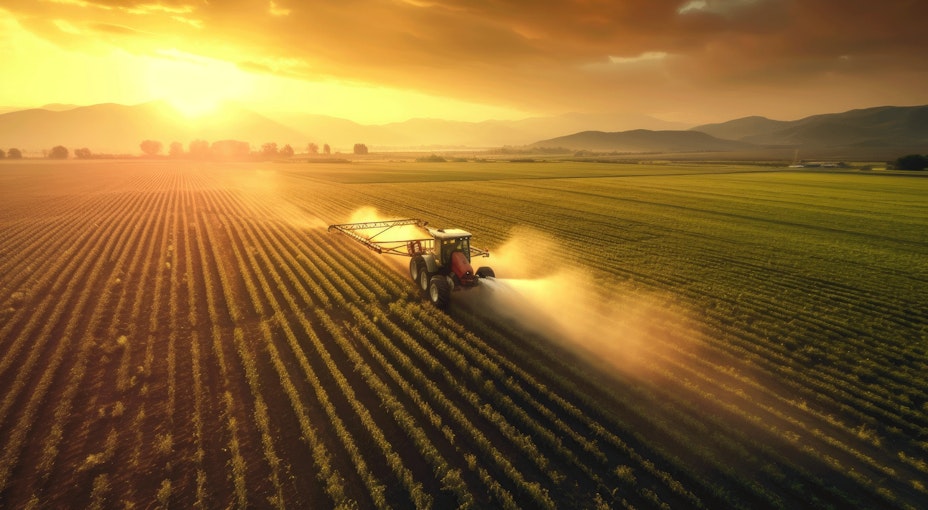
Farming relies on the use of a wide range of hazardous substances, including herbicides, pesticides, and cleaning chemicals. Coupled with exposure to dust from harvesting and straw chopping, as well as machinery fumes, agricultural activities expose workers to a multitude of hazardous materials.
The Control of Substances Hazardous to Health Regulations 2002 (COSHH) help keep working environments as safe as possible. Our risk management services team look at COSHH in agriculture and explores what you need to do to comply.
Updated: 10.07.26
By Alan Boswell Group
What is COSHH and why is it important?
COSHH is a regulatory framework designed to protect workers from potential health risks arising from exposure to hazardous substances in the workplace. It involves:
Identifying and assessing risks
Implementing control measures
Promoting a safe and healthy working environment
For sectors such as agriculture, where the risk of exposure to hazardous substances is high, complying with COSHH regulations helps to:
Improve health and safety
COSHH covers a broad spectrum of risks, not just corrosive and toxic substances. Other substances can be equally damaging to health, leading to longer-term (chronic) effects, for example:
Damage to DNA through mutations (mutagenic)
Damage to unborn children (teratogenic)
Cancer-causing (carcinogenic)
Triggering allergies or sensitivities (such as asthma or dermatitis)
Protect the environment
COSHH requires hazardous substance waste to be disposed of safely to protect the environment.
Ensure legal compliance
Employers and employees must comply with COSHH regulations by law, and penalties for non-compliance can be severe, including unlimited fines and imprisonment.
Remember that your farm insurance provider will also expect you to meet statutory regulations as a condition of your contract. Not doing so could invalidate your policy, leaving you to face the cost of claims yourself.
Common hazardous substances on farms
The Health and Safety Executive (HSE) clearly outline the substances covered by COSHH regulations. Bear in mind that some hazardous substances (lead, asbestos, and radioactive materials) are not covered by COSHH as they have their own specific regulations.
Within farming, common hazardous substances include:
Chemicals
Toxic chemicals pose serious risks if not handled, stored, or used correctly, including:
Organophosphates (such as pesticides, herbicides, insecticides, some fungicides, and sheep dip).
Biocides to combat bacteria.
Dairy detergents, sanitisers, and other cleaning substances.
Fertilisers containing ammonium nitrate or other nitrogen-based compounds, which release toxic gases or cause chemical burns if not handled with care.
Medicines prescribed by your vet can be hazardous if not managed or handled properly.
Dusts and allergens
Dust created from harvesting, feed processing, or animal bedding can cause and exacerbate chronic conditions (such as Farmer’s Lung). Examples include:
Grain dust
Poultry dust
Silica (which can be released during construction)
Wood dust
Fumes and gases
Harmful gases pose respiratory risks if employees are exposed to high concentrations, such as:
Welding fumes
Silage gases from fermentation (nitrogen dioxide)
Slurry gases (hydrogen sulphide)
Biological agents
This covers biological substances used to manage pests, diseases, or weeds (as opposed to synthetic chemicals). It can also include germs that cause disease (such as Legionnaires’ disease).
Employer and employee responsibilities
Both employers and employees are responsible for following COSHH regulations.
Employers must:
Identify hazardous substances – this must include all substances, from chemicals to biological agents, used in the workplace or generated by work activities.
Prevent harm to health – carry out a COSHH risk assessment and implement control measures. These include eliminating hazards, substituting them with safer alternatives, or creating controls that minimise risk; for example, isolating people from the hazard, changing the way people work, and ensuring PPE is stored and used correctly.
Ensure control measures are followed and reviewed – remind employees to follow control measures and regularly review procedures to ensure they remain effective.
Provide training and instruction – ensure employees receive appropriate health and safety training and understand the hazards involved in their activities. You also need to ensure they comply with any control measures put in place. If working with chemicals, you’ll need to use Safety Data Sheets (SDS), which help ensure safe use and handling.
Provide health monitoring – if there’s a risk of ill health, employers may need to monitor workers to detect negative effects early.
Emergency plan – accidents happen, so you’ll need appropriate emergency plans to respond to incidents involving hazardous substances. This should include procedures for evacuation, first aid, decontamination, and the identification of any essential emergency equipment.
Employees must:
Comply with control measures – farm workers must adhere to any control measures in place.
Use PPE where appropriate – employees should always use suitable PPE provided by their employer and wear it according to the manufacturer’s instructions. If there’s a risk of contamination, it should also be removed before eating, drinking, or smoking.
Take part in training – just as employers must provide training, employees have a responsibility to participate and familiarise themselves with the proper use of control measures.
Report concerns and incidents – any incidents or concerns, such as close calls, equipment malfunctions, or defects in PPE, should be promptly reported.
Practice good hygiene – this includes basic measures such as washing hands before eating or drinking and following proper decontamination procedures if they come into contact with hazardous substances.
Participate in health monitoring – employees should participate in any health monitoring programmes offered by their employer. This is particularly important for workers at risk of developing chronic illness.
The five steps of a COSHH assessment
A COSHH assessment is a process that helps identify and evaluate the risks associated with hazardous substances in the workplace. It involves assessing the potential harm these substances can cause and implementing control measures to minimise or eliminate those risks.
Typically, there are five key steps to carrying out an effective COSHH assessment:
1. Gather information and identify risks
Identify the types of substances used, produced or present on the farm and determine which ones might be hazardous to health.
2. Evaluating the risk
Look at the risks for each hazardous substance, considering the nature of the substance and how exposure might occur (for example, whether it can be breathed in, eaten by accident, or come into contact with the skin). Understanding the quantities used (or created), the frequency of use, and the duration of exposure all help calculate the risk involved and the potential impact on health.
3. Determine control measures
Based on the hierarchy of control, identify ways to control risk and prevent damage to health through elimination, substitution, or creating specific control measures, such as:
Engineering controls (e.g. installing ventilation systems)
Administrative controls (e.g. training and PPE)
4. Record and implement findings
Document your COSHH assessment findings. Remember to include details of the hazardous substances, their associated risks, and the control measures you’ve implemented.
5. Review and monitor
It’s crucial to review and monitor your COSHH assessment to check how effective your control measures are, and whether you need to make changes. Regular reviews also mean your list of hazardous substances stays up to date.
The Hierarchy of Control
The hierarchy of control sits within your COSHH assessment (step three, set out above) and provides a structured outline of ways to minimise or eliminate the risks you’ve identified.
The main aim of the hierarchy of control is to prevent workplace injury and illness through proactive measures (rather than simply relying on PPE). The framework has five levels of control:
Eliminate – this physically removes the risk and is recognised as the most effective means of control.
Substitute – if you cannot eliminate the hazard, can you substitute it for a safer product?
Engineering controls – this describes ways to isolate people from hazards through technology, such as installing a ventilation system or fitting dust extractors on grain dryers.
Administrative controls – this focuses on changing the way people work, for example, providing training or job rotation to minimise exposure to hazardous substances.
PPE – use of personal protective equipment (including gloves and masks) is considered the least effective means of control and should only be applied as a last resort if other measures are not possible.
What does health surveillance involve?
Health surveillance is about monitoring the health of employees who work with, or are close to, hazardous substances. This could involve reviewing the number of sick days taken and the reasons why, or providing periodic health check-ups.
To ensure any monitoring scheme is effective, you’ll need to identify which workers are at risk and ensure that checks reflect the nature of the hazards they’re exposed to. For example, skin checks for signs of dermatitis or lung function tests to detect breathing problems.
If you do carry out checks, it’s vital to be able to interpret results and act accordingly. With that in mind, it’s important to consult an occupational health professional who can provide bespoke advice and help monitor results.
FAQs
No. Lead is covered by its own set of rules: The Control of Lead at Work Regulations 2002. This legislation covers the handling, processing, storage, and disposal of lead, its alloys, and compounds. You can download guidance on this legislation directly from the HSE.
Similar to lead, COSHH does not cover asbestos, which also has its own legislation: The Control of Asbestos Regulations 2012. Asbestos control is highly complex, and it’s vital to comply with the law governing this substance (find out more from the HSE).
Yes. Bleach is considered a hazardous substance under COSHH because it’s corrosive and can irritate the eyes and skin.
If you have other chemical cleaners or aren’t sure if a product or substance is covered by COSHH, check the packaging for hazard pictograms. If an image does appear, it will be subject to COSHH regulations.
Written documentation is legally required if you have five or more employees, but it’s a recommendation for all businesses regardless of the number of staff.
COSHH compliance and risk management support
Complying with COSHH regulations is essential. Not just from a legal perspective, but for the health, safety, and wellbeing of all your employees.
Everyone has the right to feel safe at work, and a healthy, safe workforce is more likely to be a happy one. That said, effective and comprehensive COSHH assessments take time, which can be hard to come by if you’re a busy farm owner.
Our risk management experts regularly conduct COSHH risk assessments and can assist with other health and safety matters, including engineering inspections. To find out more, speak to our team on 01603 967900.
Please note that our risk management services (e.g. health & safety and inspection services) are not regulated by Financial Conduct Authority.
Risk management support
Complying with COSHH regulations is essential for farms and those working on them. It not only helps you avoid potentially expensive penalties, but it also helps you create a safer workplace and better protects your employees’ health. That said, undertaking COSHH assessments takes time, which can be hard to find if you’re a busy farm owner.
Alan Boswell Risk Management’s industry experts regularly undertake COSHH risk assessments and can help you with any other aspect of your health and safety, including regular engineering inspections. To find out more, contact us today.
Related guides and insights

A guide to managing health and safety risks in agriculture
Agriculture remains one of the most dangerous sectors to work in. To help you prioritise farm health and safety, we outline common hazards and ways to minimise the risk of injury and death.

Common farming accidents and ways to avoid them
While it’s getting safer, agriculture is the industry with the worst fatality rate in the UK. We look at what accidents are most common, ways of avoiding them, and how to make sure you have the right insurance cover.

Benefits of insurance for farmers
We look at the many benefits of agricultural insurance for farmers and how to ensure you get the cover suitable for your business.

Reducing and insuring against farm fire risks
More than 1500 farm buildings are devastated by fire every year causing catastrophic damage. We explore where responsibility for preventing farm fires lies, how to reduce the risk of a farm fire, and how insurance can help minimise your financial losses.