
Keeping the curtain up when everything stops

How Norwich Theatre balances risk, creativity, and commercial reality.
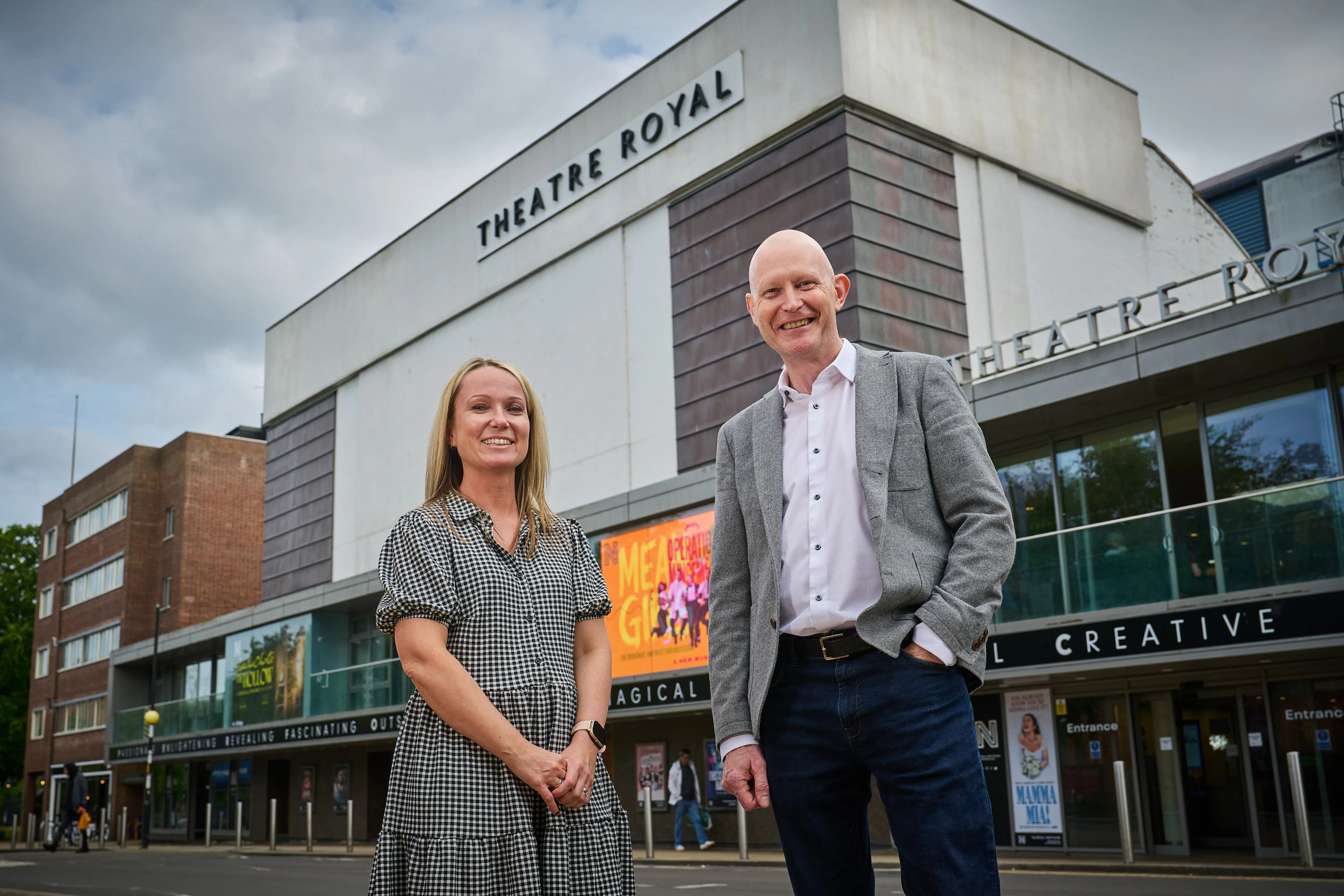
Becci Winton & Stephen Wright, Norwich Theatre
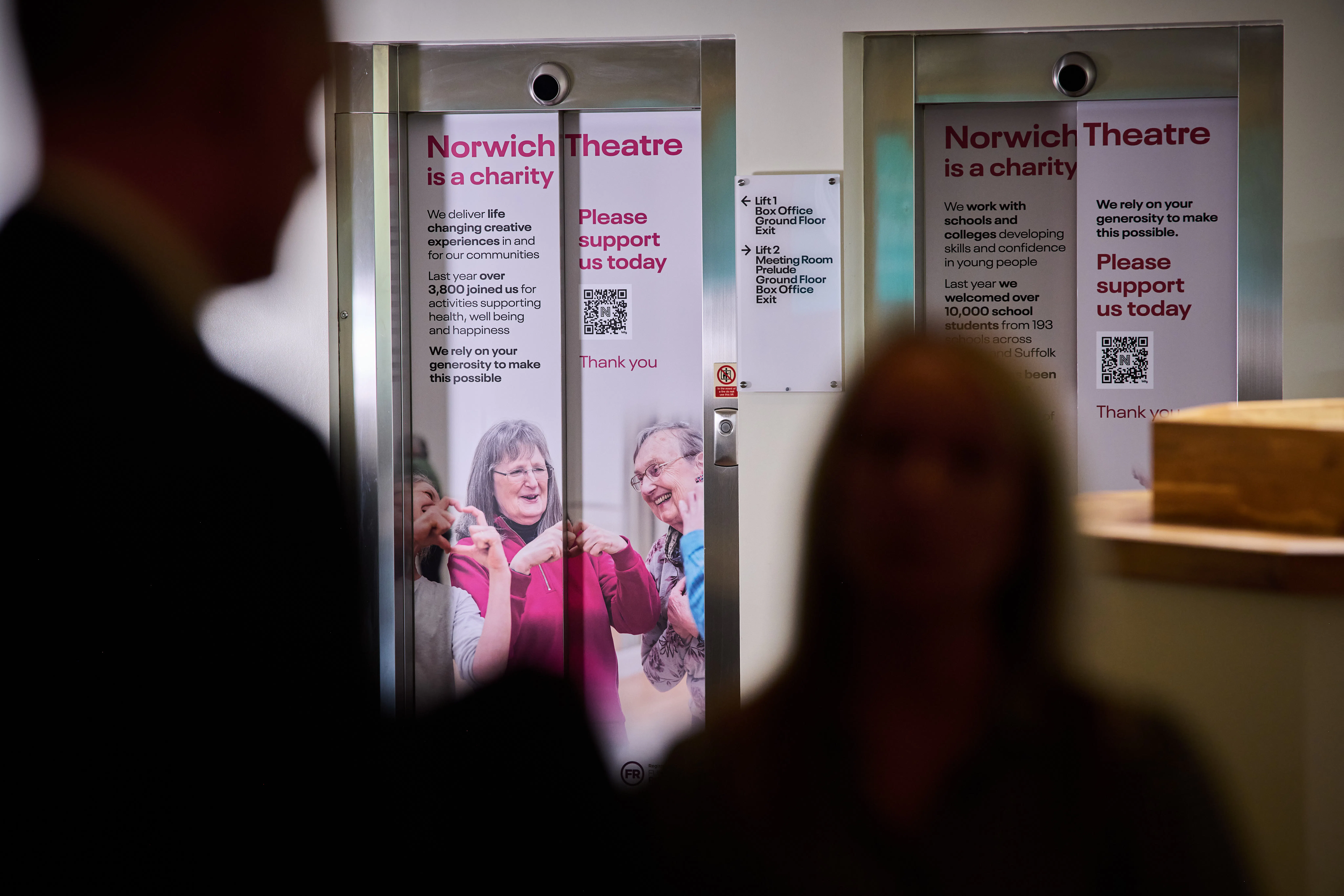
Becci Winton & Stephen Wright, Norwich Theatre

When the doors close on a theatre, it is rarely by choice. 

In more than 250 years of history, Norwich Theatre has been forced to shut down on only three occasions. 

“Once was in 1934 after a fire” explains Stephen Wright, Commercial Director & Chief Operations Officer at Norwich Theatre, “again at the start of World War II, where we closed for three to four weeks, and then the other time, as we all know, was during the COVID-19 pandemic. In hindsight, the enforced closure due to the pandemic was actually good for us because it pushed us to think differently and recognise that creativity extends far beyond our stages.” 

For a theatre that is a charity that funds itself, with no ongoing public subsidy, the stakes were high.  

A model that has to work 

"We’re one of very few self-subsidising theatres nationally” adds Finance Director & Chief Resource Officer, Becci Winton. “That means we don't receive any public subsidy at all; we don't receive any regular grants or funding from the Arts Council or any other funding support from elsewhere, so everything we do here, we have to self-fund.” 

Across Norwich Theatre Royal, Norwich Playhouse, and Stage Two, more than 260 staff are employed alongside around 180 volunteers, generating circa £25 million in annual turnover. While the headlines might be about the latest West End show heading to the Norfolk capital, what is less well known is the extent of the theatre’s charitable reach. As a registered charity, its aims include widening access to performing arts, supporting participation, nurturing creativity, and using the arts to deliver a broader public benefit across the community. 

We’re one of very few self-subsidising theatres nationally. That means we don't receive any public subsidy at all.

“Every pound of surplus we generate pays for a pound of the salary of somebody in our Creative Engagement and Creative Learning teams, the teams who are at the forefront of delivering our charitable objectives” explains Becci. 

Not everything is designed to make money 

“If we were solely driven by profit, we would absolutely programme a big commercial hit on the main stage every week of the year, the likes of Les Mis, Miss Saigon, The Rocky Horror Show or similar, or we would book a stand-up comedian, because they're the shows that sell nine times out of ten” says Becci. “But that doesn’t align with our strategy to bring a broad programme of work to a broad audience. It also wouldn’t be sustainable in the long term, because a balanced programme of shows is what attracts different audiences and best serves the community we're ultimately here to benefit. 

“This means also programming work due to its artistic merit or because it’s a valuable and important story to tell, and that means accepting smaller financial rewards on occasion.”  

Every programme choice, every commercial initiative, and every operational detail must be balanced and contribute to a model that funds itself, while still delivering on its wider purpose as a charity. 

That approach comes with risk, but it is also what sustains the long-term stability of the organisation.  

A first-time visitor drawn in by a smaller show might later return for a major production, and vice versa. A community workshop might create future audiences or future important work. The theatre grows, not just through revenue, but through being relevant to the community and helping to tell relevant stories. 

Complexity behind the scenes 

What audiences see on stage is only a fraction of the operation. 

Behind the scenes, Norwich Theatre is a complex, multi-layered organisation with teams operating across the three sites including creatives, technicians, hospitality, front-of-house staff, security, finance, IT, people & culture, and community engagement. 

I liken it [Norwich Theatre] to four or five different workforces doing slightly different things, combined into one organisation. It's quite a challenge.

“I liken it to four or five different workforces doing slightly different things, combined into one organisation. It's quite a challenge” Becci says. 

Each part carries its own risks. 

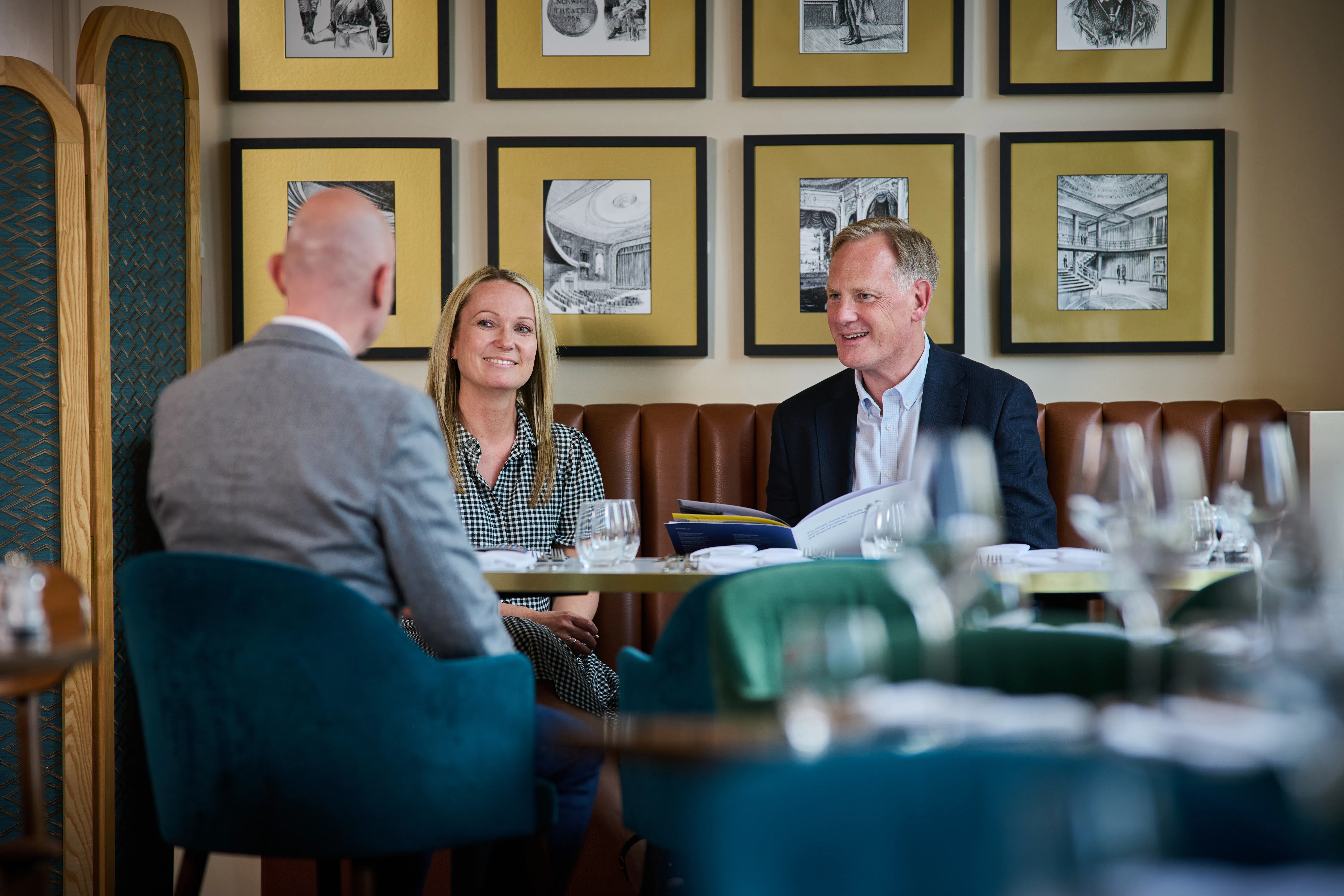
Prelude restaurant at the Theatre Royal

Prelude restaurant at the Theatre Royal

“For us, to consistently keep taking a bit more money through the bars, the restaurant, or the café is a big challenge” says Stephen. 

“We have two drivers we use for that: quality and consistency, and the challenge within that is the big workforce. We've got in excess of 100 people that deliver the commercial side, and they’re predominantly young, UEA [University of East Anglia] and NUA [Norwich University of the Arts] students. So, the training and the development of those teams is a huge risk for us, but equally it's a joy to give many their first taste of working life. 
“And we have to constantly drive that to make sure the bars are set up according to each show. And there's a lot of nuances in what we do that customers probably don't recognise. 

“But the public are always the biggest risk, aren't they? Every weekend you'll have something," Stephen says. "A show stop, a customer incident, something operational that needs managing." 

With that level of complexity, risk is not theoretical. It is constant and highlights the importance of getting the right advice. That makes the choice of insurance partner critical. 

For Norwich Theatre, the decision to review their insurance broker was not driven by a single issue, but by good governance practice. 

In the world of good governance, we should be looking at significant spend for core costs every three or four years. We absolutely must make sure we're with the right providers.

“In the world of good governance, we should be looking at significant spend for core costs every three or four years. We absolutely must make sure we're with the right providers” Becci explains. 

This led to a formal insurance tender process.  

"I had been led to believe that we were with our previous broker because they were theatre specialists. But actually, what matters most is the quality of the advice, the relationships behind it, and how well they understand our business. 

“In the end, as it turned out, change was quite an easy decision.”  

Why Alan Boswell Group stood out 

From the outset, the difference was clear. 

"A long-term relationship builds trust" Stephen says, "and I feel that was already established prior to the tender." 

Becci and Stephen with ABG Account Executive, Jon Preston
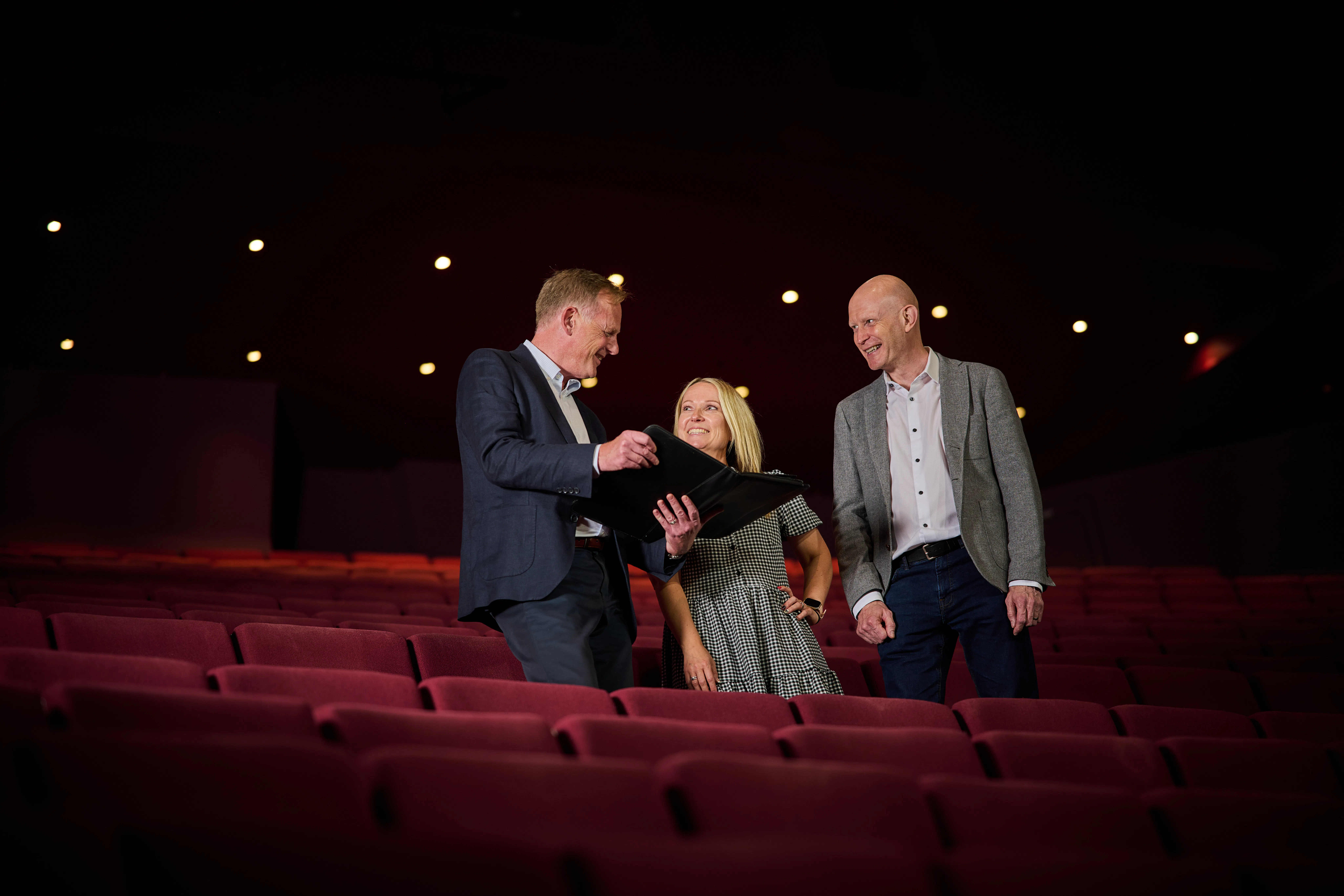
Becci and Stephen with ABG Account Executive, Jon Preston

That trust had been built over time, through informal conversations, local connections, and a genuine interest in the organisation. But it was during the formal tender process that it was fully validated. 

"What we saw through the tender and the presentation just endorsed everything. The whole team came along and did a terrific presentation." Stephen explains. “It confirmed everything we thought we already knew." 

It was the level of detail about us that really set Alan Boswell’s apart from the competition. It was the amount you knew about us and how invested you were in us as an organisation.

For Becci, the deciding factor was the detail and understanding of Norwich Theatre. 

“It was the level of detail about us that really set Alan Boswell’s apart from the competition, including the previous broker that had dealt with us for a very long time. It was the amount you knew about us and how invested you were in us as an organisation. 

“The answers were tailored to us specifically, not generic.” 

From risk and health and safety audits to ongoing engagement with multiple specialists, the support has gone beyond placement into practical, operational value. 

"It's been really helpful for where we are as an organisation," Becci says.   

Building for the next chapter 

With a new six-year strategy recently launched, taking the organisation through to 2032, Norwich Theatre is focused on its next phase of growth. The direction is not a departure from what has come before, but an acceleration of it. 

“We’re not stopping or ripping up the previous strategy and starting from scratch. It's a lot more of the same with a new level of ambition,” Becci explains. 

Stephen confirms, “All the good work we've done over the past four years will now form the foundation of the next six years; it's a continuation of that.” 

The goal is clear: continue to strengthen the commercial engine while expanding the theatre's role in the community. 

ABG Account Executive, Jon Preston with Becci and Stephen

For Norwich Theatre, success is measured in more than just revenue. It is measured in the ability to keep the doors open, the programme diverse, the experience accessible to all, and the impact of the Theatre’s charitable aims.  

Even when the unexpected happens. 

Need help with insurance?

To discuss the insurance requirements for your business, speak to our friendly, expert team.