
Property Management

Featured
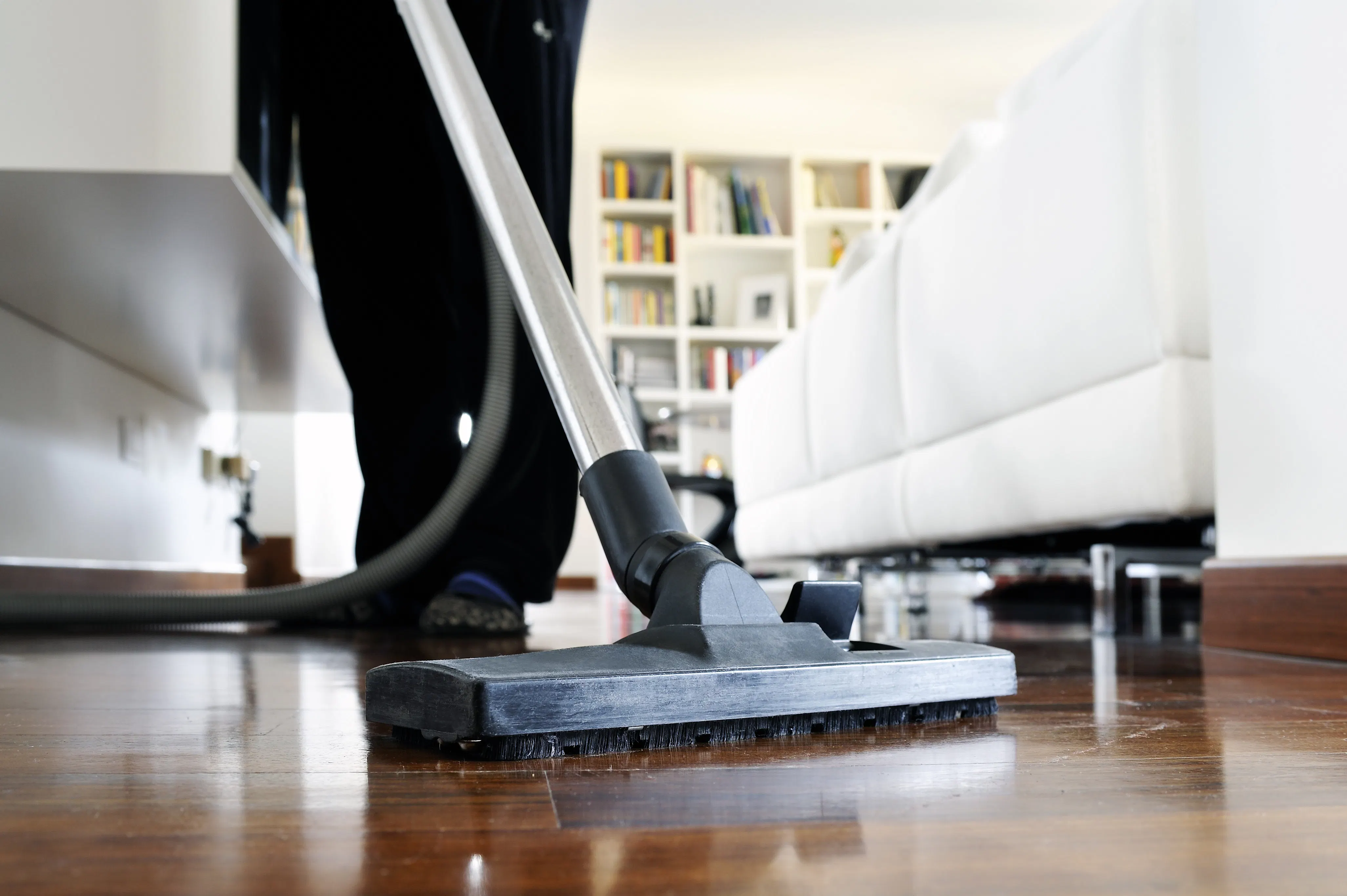
Guide to end-of-tenancy cleaning laws and rules for landlords
Deposit deductions for end-of-tenancy cleaning are one of the biggest disputes between landlords and tenants. To clarify, we review the rules and expectations for end-of-tenancy cleaning in private rented properties.
Inspections, inventories, and wear and tear
Regular inspections and a thorough inventory are your best defence against disputes at the end of a tenancy. Knowing the difference between fair wear and tear and actual damage and understanding which fixtures and fittings are your responsibility puts you in a much stronger position if a disagreement arises.
Our guides walk you through best practices for property inspections, how to build an effective inventory, and what the law says about wear and tear and white goods. If you’re letting a furnished or part-furnished property, landlord contents insurance covers the items you’ve left for your tenants, from white goods and carpets to curtains and light fittings.

A landlord’s guide to property inspections
House and property inspections play a vital role in making sure your property is being maintained. To help you arrange a house inspection and clarify your landlord rights and responsibilities, here’s what to consider.

Essential guide to the best property inventory list
To help you prepare and implement an effective report, here’s our essential guide on how to create the best property inventory.

What is ‘wear and tear’ in a rental property?
Whether you're a landlord or a tenant, it's essential that you understand the level of wear and tear you can expect during a tenancy.

Landlord responsibilities: guide to fixtures and fittings
Fixture or fitting? When you’re a landlord, it pays to know the difference between the two. In this article, we look at the difference between fixtures and fittings, what landlords are responsible for and the best insurance for both.

Are landlords responsible for white goods?
Most landlords provide white goods – domestic appliances – in their rental properties. But who’s responsible for them? Landlords, tenants, or both? We take a closer look.

Between tenancies
The changeover between tenants is one of the busiest periods for any landlord. Getting the cleaning right, deciding whether to let furnished or unfurnished, and making sure the property is secure are all essential steps before a new tenant moves in. Our guides cover end-of-tenancy cleaning (the single biggest cause of deposit disputes), the pros and cons of furnishing your property, and your obligations around locks and keys. Our landlord cover includes up to 90 days’ full cover between tenancies as standard, so you’re protected even when the property is empty.
Quick quote technology
Protecting your property from damage
Flooding, storms, heatwaves, and burst pipes can cause serious damage to a rental property, and the cost of repairs can escalate quickly. Taking preventative steps to protect your property makes a real difference, but it’s equally important to know what your insurance covers when the worst does happen.
Our guides explain the practical steps you can take to minimise damage from weather events and escape of water, plus what to expect from your insurer if you need to make a claim. For round-the-clock protection against domestic emergencies like boiler breakdowns and utility failures, add landlord home emergency cover to your policy.

Guide to escape of water
We look at what ‘escape of water’ actually means, what’s covered by your insurance policy, and how you can lower the risk of water damage at home.

Home insurance and heatwaves; what are you covered for?
Heatwaves are increasing in frequency and intensity, causing significant problems for homeowners. We look at how to protect your property from extreme heat and make sure you have the insurance cover you need.

How to protect your home from flooding
We examine what to do if you’re immediately affected by a flood and how to protect your property in the future.

Protecting your home from storm damage – what you need to know
We look at the risks that storms pose to your property, what steps you can take to protect it, and who’s responsible for repairing shared fences, gates and fallen trees.
Empty & unoccupied properties
An empty property is a vulnerable property. Whether you’re between tenants, carrying out renovations, or managing a probate situation, an unoccupied home faces increased risks from break-ins and vandalism to undetected leaks and property fraud.
Our guides cover the practical steps you can take to maintain and secure a property that’s sitting empty, plus how to protect yourself against rental fraud. If your property is going to be unoccupied for an extended period, standard policies may not provide full cover. Our unoccupied property insurance is designed specifically to protect your investment while it’s between uses.


Essential tips for maintaining and securing your empty property
Homes can remain unoccupied for various reasons, such as when between owners, undergoing renovations, taking extended holidays, or dealing with illnesses. Regardless of the cause, it's crucial to prepare your property for its vacant duration.

UK guide to leaving a property unoccupied
If you’re leaving your home empty for a while, you’ll need to protect yourself from legal, financial, and security risks. Here’s what to consider to keep your home safe and secure.

How to protect your rental from property fraud
Recent media report suggest growing numbers of prospective tenants are using fake documents when applying for a tenancy. We take a look at how landlords can protect against property fraud.

How to find out when your house was built
If you’re looking to find out when your house was built, we’ve got all the information you need to help you work it out.


Get in touch
Whether you need a quote, have a general enquiry, want to register a claim, or talk it through over the phone, we're here to help.
Explore more landlord guidance

Your Tenants
We've put together some guides and articles that aim to help landlords understand what they need to do when it comes to tenants.

Holiday Lets and Short-Term Rentals
We've put together a range of articles to assist landlords who are considering venturing into holiday lets and short-term rentals.

Property Compliance and Safety
Landlords must ensure all of their properties meet legal, regulatory, and safety standards. Here you can find a range of guides and articles that aim to help landlords stay compliant and meet safety standards.