Are you underinsured? A self-check guide for homeowners
Research reveals that around 70% of UK properties have underestimated the rebuild value of their residential property on their building insurance and are underinsured. For homes built from non-standard materials including thatch, cob, or steel, the difference in value can be significant, leaving you to cover remaining costs yourself if you make a home insurance claim. Coupled with continued rising construction costs, it’s more important than ever to make sure your home is adequately insured.
27.08.26
Research reveals that around 70% of UK properties have underestimated the rebuild value of their residential property on their building insurance and are underinsured. For homes built from non-standard materials including thatch, cob, or steel, the difference in value can be significant, leaving you to cover remaining costs yourself if you make a home insurance claim. Coupled with continued rising construction costs, it’s more important than ever to make sure your home is adequately insured.
We look at what underinsurance is, how it can affect your home insurance and contents insurance cover, and what you can do to protect yourself.
Check if your home is fully protected
Inflation and increases in the cost of materials and labour mean millions of homes are at risk of underinsurance if homeowners don’t review the sum insured on their home insurance policy. Ultimately, if you made a claim, you may receive less than expected, leaving you responsible for meeting the shortfall.
The seven diagnostic checks for homeowners
Underinsurance is when the amount you’re insured for isn’t enough to cover the cost of rebuilding your home or replacing your belongings. If you’ve lived in your home for a long time, it can be easy to lose track of costs and forget to update your policy. So, to work out whether your home might be underinsured, consider:
Is your sum insured based on market value?
Insuring your home for its market value, rather than its rebuild cost, is the most common cause of underinsurance. For example, a new-build property may have a higher market value than its rebuild cost, whereas an older property with more complex construction techniques may have a higher rebuild cost than its market value.
If you haven’t updated your home insurance to reflect your home’s current rebuild value, then there’s a good chance you could be underinsured.
Latest figures from the BCIS (Building Cost Information Service) also show that rebuild costs have risen by 3.8%, so it’s important to double-check your policy at renewal.
Is your property listed?
Rebuilding a listed property is typically much more expensive than rebuilding a home that uses standard materials and construction methods. Homes built from cob, thatch, or stone can leave you unknowingly underinsured, and labour costs also tend to be higher as you’ll need to use specialists trained in traditional techniques.
Have you improved, extended, remodelled, or renovated your home?
All of these things can push up the cost of rebuilding your home and your home insurance needs to reflect this. Plus, if you’ve bought new furniture to go along with any home renovations or improvements, check your contents insurance is high enough to cover the cost of replacing your new items.
Have you accounted for hidden costs?
Rebuilding a property costs more than just materials and labour. Remember to factor in additional costs such as demolition, site clearance, architects’ fees, engineers, surveyors, and alternative accommodation while the work is taking place.
When did you last value your contents?
If you haven’t reviewed your contents insurance cover for a while either, it’s worth revisiting. Aside from inflation, you may need to account for new items, especially if you’ve inherited valuable family heirlooms.
Have you considered external features and outbuildings?
Don’t forget to include outbuildings and any external features or facilities you have. This could include fences, walls, barns, a tennis court, or swimming pool.
Do you have a current valuation for high-value items?
Possessions such as paintings, jewellery, sculptures, fine wine, and antiques can increase in value over time. If you have items that appreciate, make sure you have up-to-date valuations and that these are reflected in your contents insurance.
What to do if your checks reveal a gap in your home insurance
If you think your home is underinsured, the priority is to check the current rebuild cost against the sum insured on your policy. If your home is a standard-built home (not listed or a bespoke build), our guide to accurately estimating your home’s rebuild cost can help you. Regrettably, we, as the broker, cannot provide the rebuild figure for you; it is something you are responsible for setting.
For greater accuracy, consider having a professional valuation carried out. This is particularly useful if your home is listed, uses unusual materials, or has undergone significant renovations, including an extension.
When you have an accurate rebuild cost, you can ask your insurer to update your building insurance to reflect this. At renewal, it’s also worth considering index-linking your policy, which means the sum you’re insured for remains as accurate as possible. Bear in mind that while index-linking provides some additional security, if your sum insured is accurate, its effect will be marginal. Some home insurance policies will have a blanket sum insured, providing cover up to a set amount (often £1million), but you will still need to know the rebuild value of your property to ensure this is sufficient.
Similarly, when it comes to contents insurance, it’s a good idea to regularly review your cover (our contents insurance calculator is a good place to start).
Remember that single article limits are likely to apply to home contents insurance – this is the maximum amount of money you’ll get for any one item. Typically, it’s set at around £2,500, which may be insufficient for items like engagement rings and bicycles, which often have a higher value.
If you own anything valued at more than the single article limit, you should ensure this is listed separately on your policy. If you’re not sure what your single article limit is, always check with your insurer.
Avoid underinsurance with tailored buildings and contents insurance
Underinsuring your most valuable asset can leave you facing huge financial losses, so it’s essential that your home insurance meets your needs. To make sure your buildings and contents cover remains adequate, it’s good practice to check your rebuild value each time you renew your policy. Similarly, it’s sensible to reassess your contents cover at renewal.
Related guides and insights

Guide to high-value home insurance in the UK
When your home and contents reach a certain value, you need the flexibility of high-value home insurance to ensure you’re properly covered.

Rising precious metal prices and the hidden risk of underinsurance
Rising prices could mean the gold, silver and platinum you own are even more valuable than when purchased, so it’s vital that your insurance policy reflects that. We explore the factors that affect precious metal prices and what you can do to protect your assets.
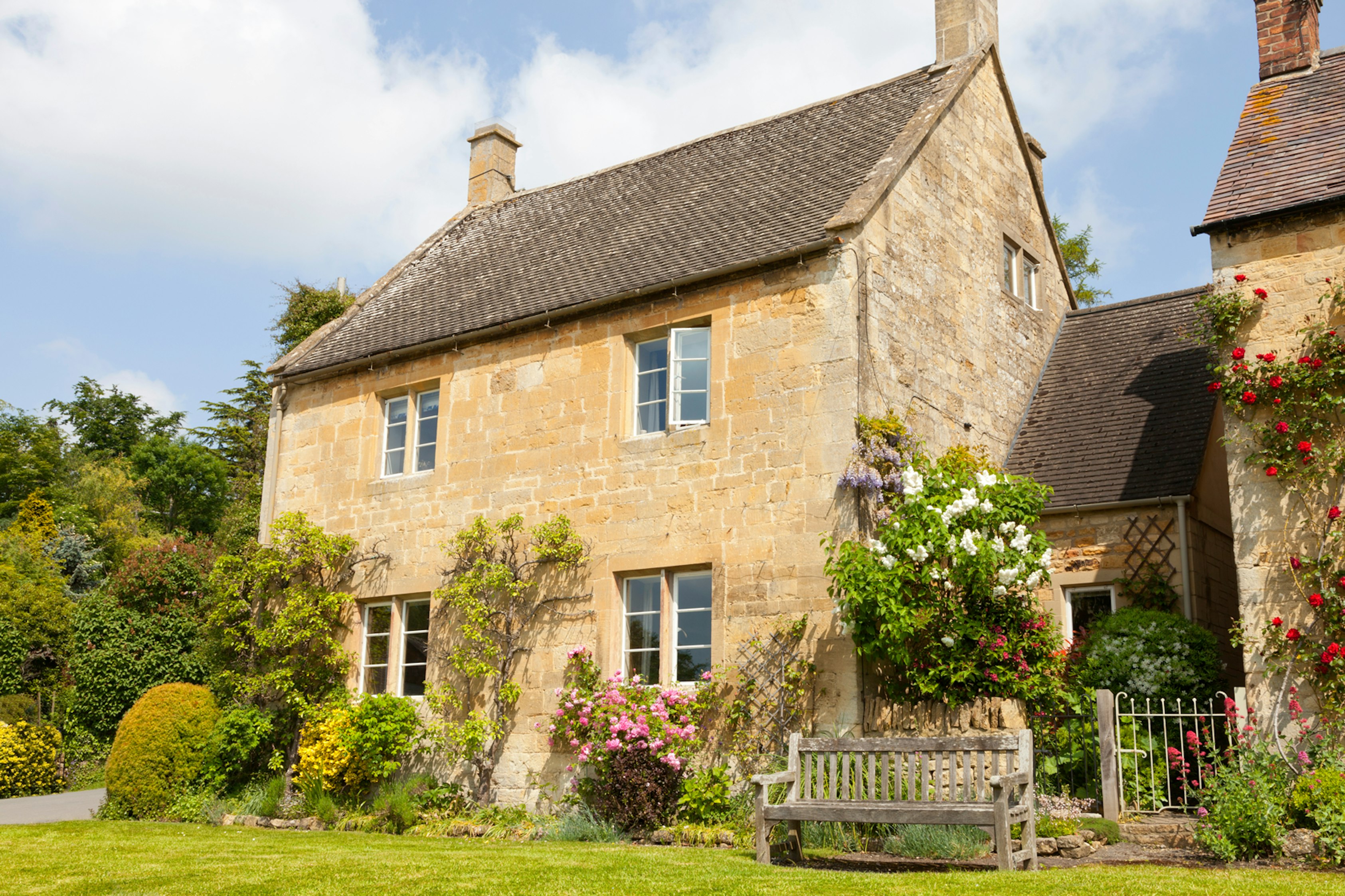
Why stone-built houses could leave you underinsured, and what to do about it
When arranging home or landlord insurance, understanding your property's rebuild cost is crucial. However, recent claims data has identified that, due to their higher rebuild cost, stone-built properties are at a higher risk of being underinsured.

Guide to underinsurance
The right insurance provides a valuable safety net should the unexpected happen. But many policyholders are unknowingly underinsured, which means if you make a claim, the amount you receive could be less than you need. We look at what you can do to avoid it.