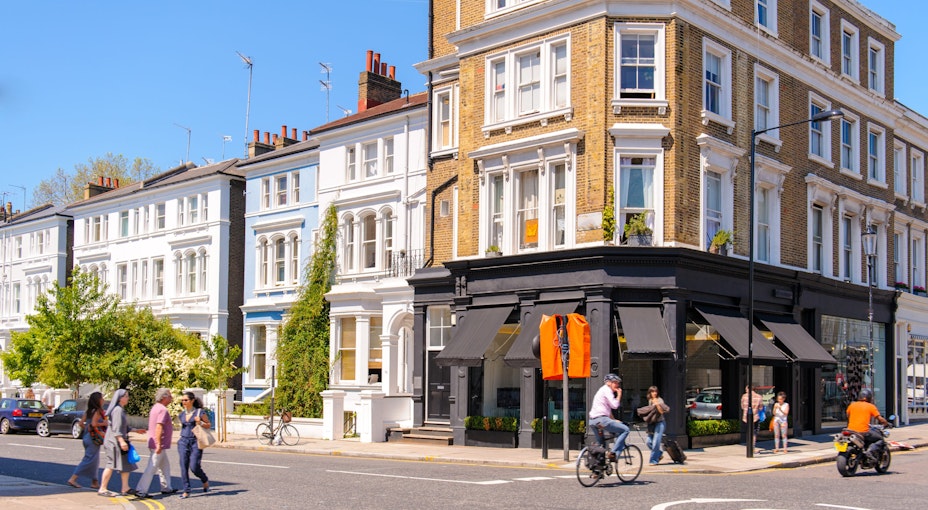
What is Commercial Property Insurance?
Commercial property insurance is essential for every owner of commercial property. In this overview, we look at what defines a property as “commercial” and the key features of commercial property insurance, including who pays for it and what types of cover to look for in a policy.
22.10.25
By
Ian Sadd
What is a ‘commercial building’?
A commercial building is any property that operates as a commercial premises.
Examples of commercial properties include shops, cafés, restaurants, offices, and industrial buildings.
What is commercial property insurance, and how does it differ from other insurance policies?
Commercial property insurance is vital if you own a commercial property. As a freeholder, one of your responsibilities is to ensure your buildings and contents are protected. Commercial property insurance is similar to standard building insurance, but it is specifically designed to cover the risks associated with leasing/renting out your building for business purposes.
Even though commercial property owners’ insurance isn’t a legal requirement, many mortgage providers will insist you have it and note them as an interest on your policy schedule.
Essential covers included in a commercial property policy
The following sections look at the different types of cover available in commercial property insurance policies.
Building cover
A standard commercial insurance policy typically covers the cost of repairing or rebuilding the structure due to material damage.
This material damage must result from an “insured peril” such as fire, storm, flood, escape of water (burst pipes), malicious damage, or subsidence. However, insurers will also offer several extended perils such as accidental damage, terrorism, and legal expenses, if required.
Note that incidents arising from wear and tear are not covered by commercial property policies. Also, most policies don’t cover damage caused by vermin and pests, such as termites.
Know your rebuild value
The sum insured on your policy should cover the rebuild value of your building (not the market value). The best way to ensure this is correct is by getting the property surveyed. This is due to the “average clause” applying on some policies, meaning that if the sum insured at the time of a claim is less than the rebuild value of the property, the amount you receive for a claim will either be reduced by the percentage you’re underinsured, or you may only receive the value of the sum insured (depending on whether you’re claiming for a total or partial loss).
Property owners’ liability
A standard policy will include property owners’ liability, which covers third-party property damage or injury arising from your negligence.
This cover will typically be offered at either a £2 million or £5 million limit of indemnity, but can be extended to £10 million if required.
Insurers can also offer employers’ liability cover, which is legally required if you employ anyone in relation to the property. This is usually an optional add-on rather than a core component of a property owners’ policy.
Loss of rent
Loss of rent and alternative premises are other important aspects of cover to consider. If disaster strikes and your tenant can no longer operate from the premises, they may look at renting elsewhere in the meantime, resulting in a loss of earnings for you. Loss of rent insurance covers you for any loss of rental income from damage as a result of an insured peril (but not if your tenant simply stops paying rent). Alternative premises cover would provide a similar premises for a tenant to operate from – this is particularly important if your commercial lease agreement requires you to provide alternative premises.
Legal expenses cover
Legal expenses insurance can cover your costs if you are involved in a legal dispute with your tenant. This would include issues such as property maintenance, repossession, and recovering missed rent payments.
However, whatever policy you choose, make sure you read through your policy schedule and policy wording for full details of the cover, applicable endorsements, and perils excluded, as these can vary from one insurer to another and not all policies will cover disputes with tenants.
Who is responsible for commercial property insurance?
The property owner or landlord is responsible for arranging building insurance on commercial property that is rented out. This is because the landlord will suffer a loss on their investment if anything happens to the building and it is not adequately insured. They are also the ones who will benefit from a successful claim. In other words, they have an “insurable interest”.
By arranging the insurance themselves, the landlord can be sure that the policy is in force, the premium has been paid, and the level of cover is adequate. They can also deal directly with the insurer in the event of a claim.
However, the landlord will often pass on the cost of building insurance to the tenant under the terms of the commercial lease agreement.
Read more: Who pays for building insurance on commercial property?
Need help with your insurance?
Whether you need a quote, have a general enquiry, or want to talk it through over the phone, we're here to help.
Send an enquiry
FAQs
Fire from lightning, explosion, and aircraft is covered under all commercial property policies, including when the property is unoccupied.
However, it is important to note that explosion from fire is typically excluded – instead, only explosions of gas boilers or gas used for domestic purposes is covered. Subterranean fire is also excluded.
Read more in our guide to fire safety rules for landlords.
In their policy wording, AXA define flood as “The escape of water from the normal confines of any natural or artificial watercourse, lake, reservoir, canal, drain or dam. Inundation from the sea. Rain-induced runoff. Whether resulting from storm or not.”
Insurers decide whether to offer flood damage cover on a case-by-case basis, by looking at the Environment Agency’s flood map, any previous claims history on the property, its distance from a river, sea, or lake, and the history of flooding in the surrounding area. With these factors in mind, they will decide whether to offer standard terms, increase the excess, or exclude flood damage altogether.
A policy will typically only cover the structure and the landlord’s contents, excluding fences, gates, and movable property in the open.
Water damage caused by a burst pipe, also known as “escape of water”, is often included in commercial property insurance policies.
Note that it’s usually the damage caused by the water that is covered, rather than damage to the burst pipe itself. So, if a pipe bursts in your premises and the escaping water damages the floor and some appliances, they would all be covered; however, the repair to the pipe itself would not.
Many policies include “trace and access” cover. If you suspect a water leak, it's essential to repair it promptly to prevent further damage. However, to identify the leak in the first place, you may need to remove plasterwork or floorboards, then repair the damage afterwards, which can be costly. “Trace and access” covers this cost.
Related guides and insights

Commercial landlord responsibilities
If you own a commercial property for rent, you’ll know it comes with certain responsibilities. But there's often confusion about who is responsible for what; landlord or tenant?

Managing unoccupied commercial property
For a landlord owning an empty commercial property there are going to be increased costs involved. We look at some top tips for landlords to protect their properties.

Who pays for building insurance on commercial property?
Who is responsible for insuring a commercial building? We answer landlord and tenant questions.

Commercial Property Statistics 2025
The latest commercial real estate statistics for 2025, including the average percentage yield on commercial property, average price per square foot and more.