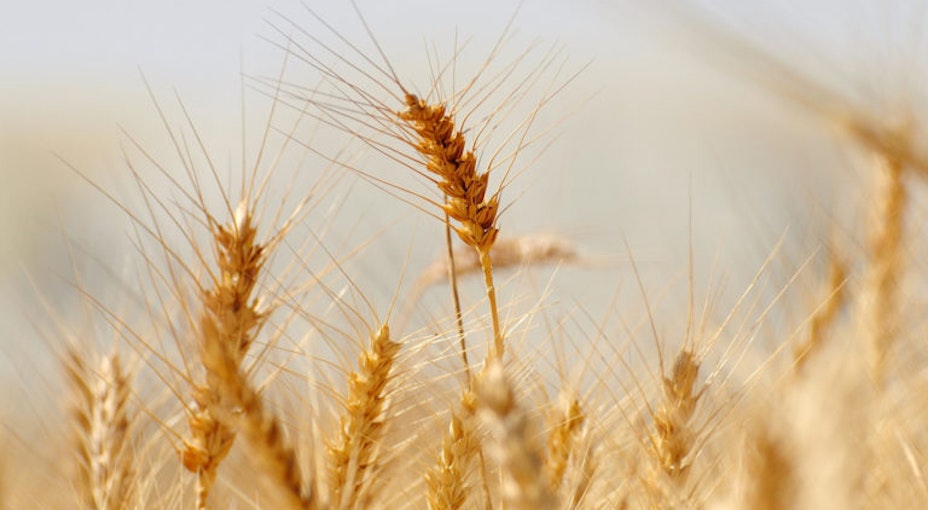
Why hail damage insurance is vital to UK farming
Climate change doesn’t just mean hotter, drier summers; it also brings more extreme weather. Research from Newcastle University and the Met Office highlights the changing nature of hail. Data suggests that while hailstorms may become less frequent, the storms that do occur are more likely to be severe and potentially devastating.
In this article, we look at how farms can build greater resilience with specialist farm insurance.
Updated: 12.10.26
The threat of extreme weather to agriculture
Met Office research confirms what many farmers already know: the UK is warming, and extreme weather is increasing. Hotter, more humid summers and thunderstorms risk more severe hailstorms, with hailstones also increasing in size.
Unlike drought, a short burst of intense hail can ruin crops in just a few minutes. In recent hailstorms, some farms lost as much as 90% of their harvest.
Farmers who have already experienced the impact of extreme weather also voice concern that too few other farm businesses are prepared for future risk.
Does standard farm insurance cover hail damage?
Standard farm insurance does not automatically compensate you for damage to crops due to hail. Typically, your farm insurance policy covers buildings, machinery, liabilities, crops in fields and crops in store for standard insured perils only (e.g. fire).
To reduce the cost of hail damage, you can add cover for hail damage to crops in fields. Cover can be added to existing farm insurance as an optional extra or bought as a standalone cover.
How does crop hail insurance work?
Any policy you choose should clearly set out any conditions. It’s also important that the risks associated with hail are properly assessed in relation to your specific farm, farming activities, and location.
Policies with Alan Boswell Group can be bought annually as an add-on to a farm insurance policy. Cost varies and depends on several factors, including crop type, acreage, and yield.
You’ll also need to be aware of any terms specific to your policy, such as:
Deferment period – this is the length of time between buying a policy and being able to make a claim. For example, if there is a 14-day deferment period, you won’t be able to make a claim until 14 days after you take out cover.
Making a claim – some policies require claims to be made within strict timelines; often, this is within 48 hours of the incident.
Is it worth claiming for hail damage?
When you make a claim, it’s important to adhere to the reporting timelines highlighted in your policy. This ensures that a loss adjuster can inspect damage and make an accurate assessment before weather conditions alter any evidence. Compensation is then calculated based on the percentage of yield lost, minus any crops that can be salvaged.
If you’re considering whether a policy is right for you, bear in mind the AHDB (Agriculture and Horticulture Development Board) continue to highlight how vulnerable arable farming profitability is to meeting yield targets.
Protecting your agricultural vehicles
Hail doesn't just destroy crops. Large hailstones can also smash windows, tractor cabs, and GPS domes. Check that your agricultural vehicle insurance also covers weather damage if they’re damaged while out in the open.
Protecting your assets with comprehensive farm insurance
Farming is one of our areas of expertise, and we have many years' experience supporting farm businesses throughout the region and country. In addition to covering hail and traditional risks, such as material damage to buildings, contents, stock, and liabilities, we can also offer policies for a range of diversified activities.
Contact our specialist team today
While farmers meticulously plan for drought and flooding, a hailstorm can quickly wipe out a harvest's yield.
Specialist crop hail insurance acts as a crucial safety net for agricultural revenues.
To find out more about farm insurance or to request a quote, speak to one of our experts.
Related guides and insights

Benefits of insurance for farmers
We look at the many benefits of agricultural insurance for farmers and how to ensure you get the cover suitable for your business.

Common farming accidents and ways to avoid them
While it’s getting safer, agriculture is the industry with the worst fatality rate in the UK. We look at what accidents are most common, ways of avoiding them, and how to make sure you have the right insurance cover.

How to protect your farm from rural crime
Rural crime cost UK farmers an estimated £44.1 million in 2024. We look at how to protect your farm, livestock, and equipment, and how farm insurance fits in.
Types of farms in the UK
The agricultural sector is one of the UK’s major industries. It’s also a diverse one, covering everything from livestock and arable farming to market gardening. We take a look at the types of farm in the UK and the insurance they need.