Learning to adapt: How City College Norwich prepares Norfolk for a changing world

City College Norwich has been adapting to the requirements of its community since 1891. What began as a response to Norwich’s demand for technical education has developed into a diverse college group serving school leavers, apprentices, adult learners, and higher education students across Norfolk.  

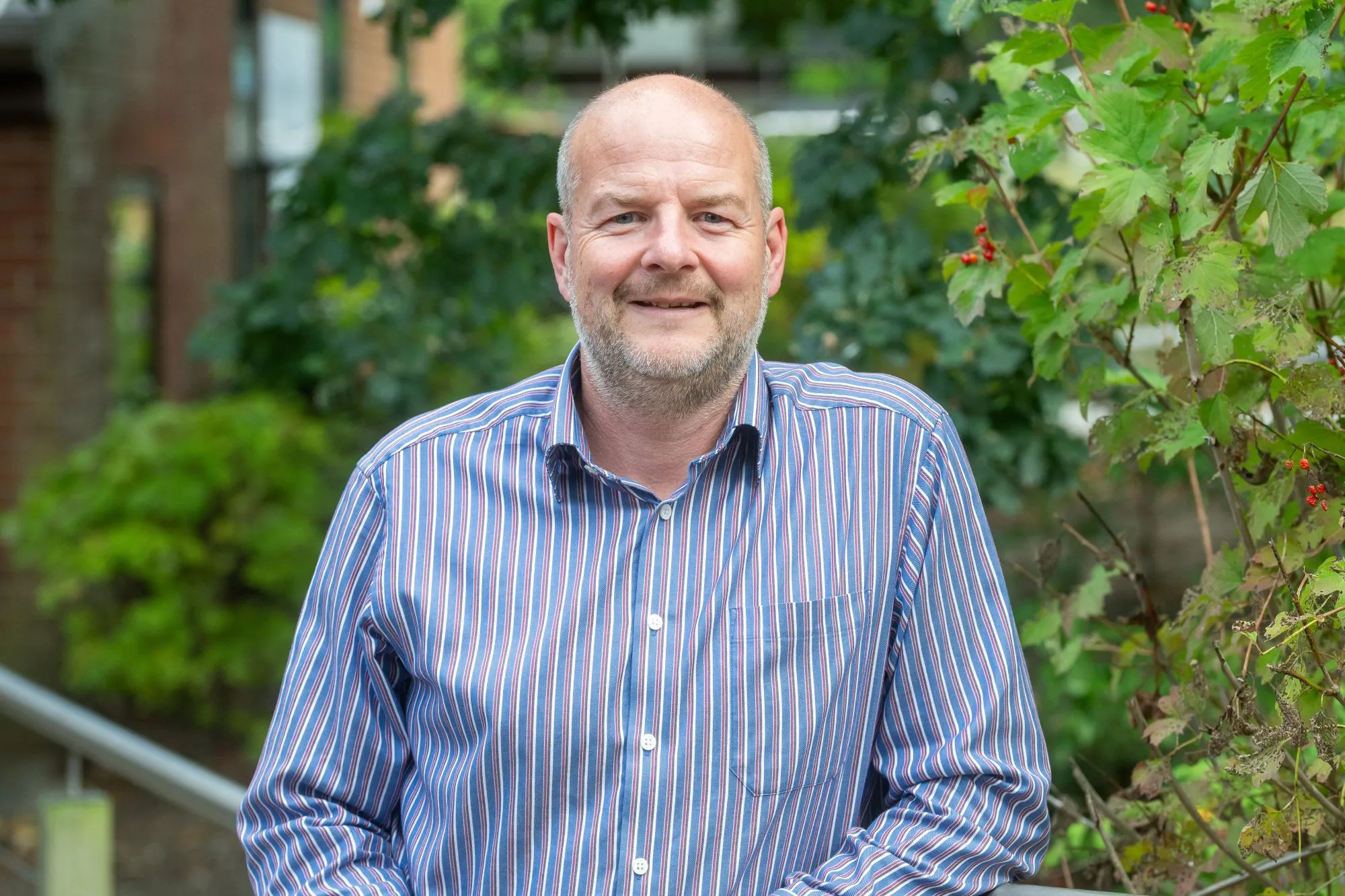
Richard Steer

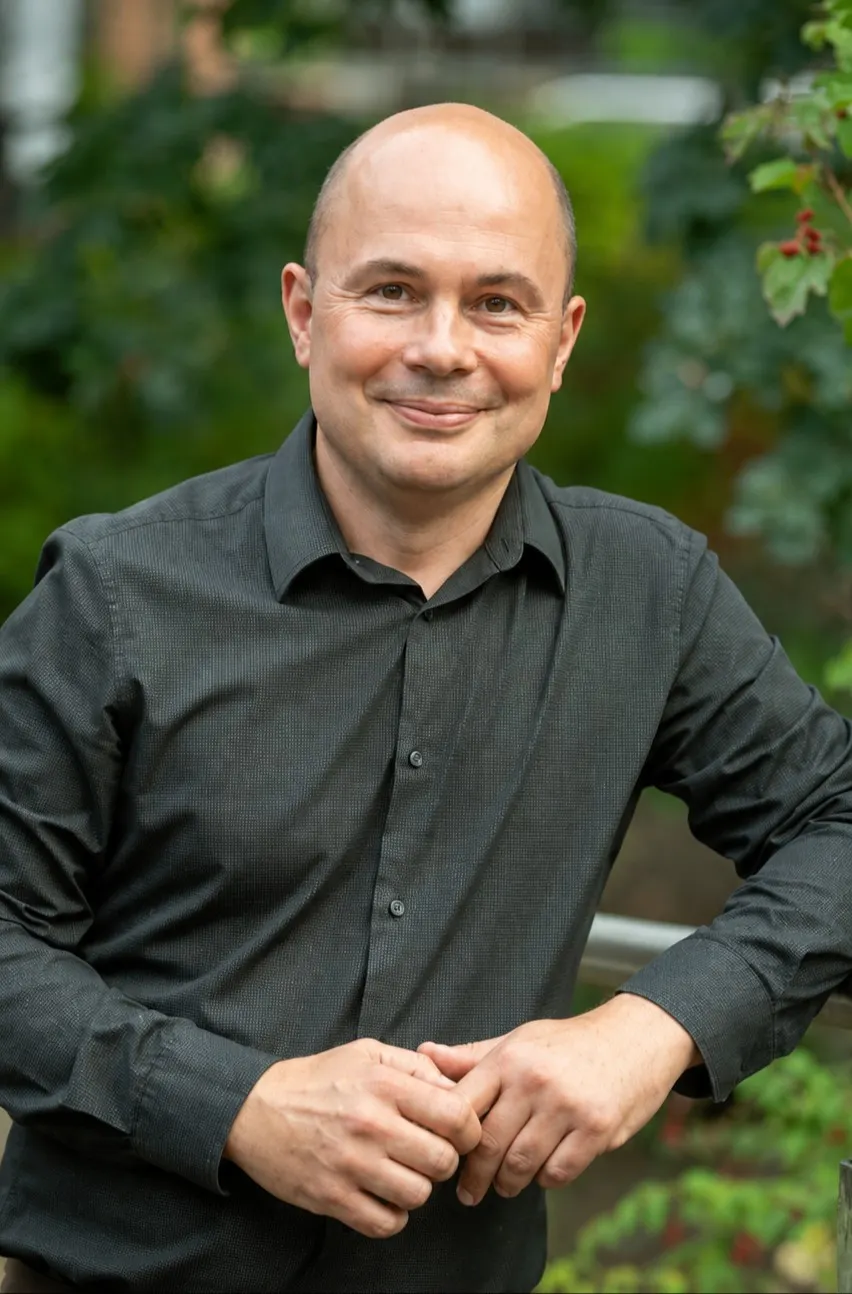
For Richard Steer, Senior Communications and Marketing Officer, that evolution shows a consistent purpose. “It's been a constant story of growth and change, as the college has responded to the changing needs of employers and the evolving skills needs of the county and of the city.”  

Today, the group encompasses City College Norwich, Easton College and Paston Sixth Form College. Together, the three principal institutions have a combined history of 632 years and currently support over 10,000 learners a year. Paston is the oldest, while City College Norwich traces its origins to technical subjects connected with the industries that once shaped the city.  
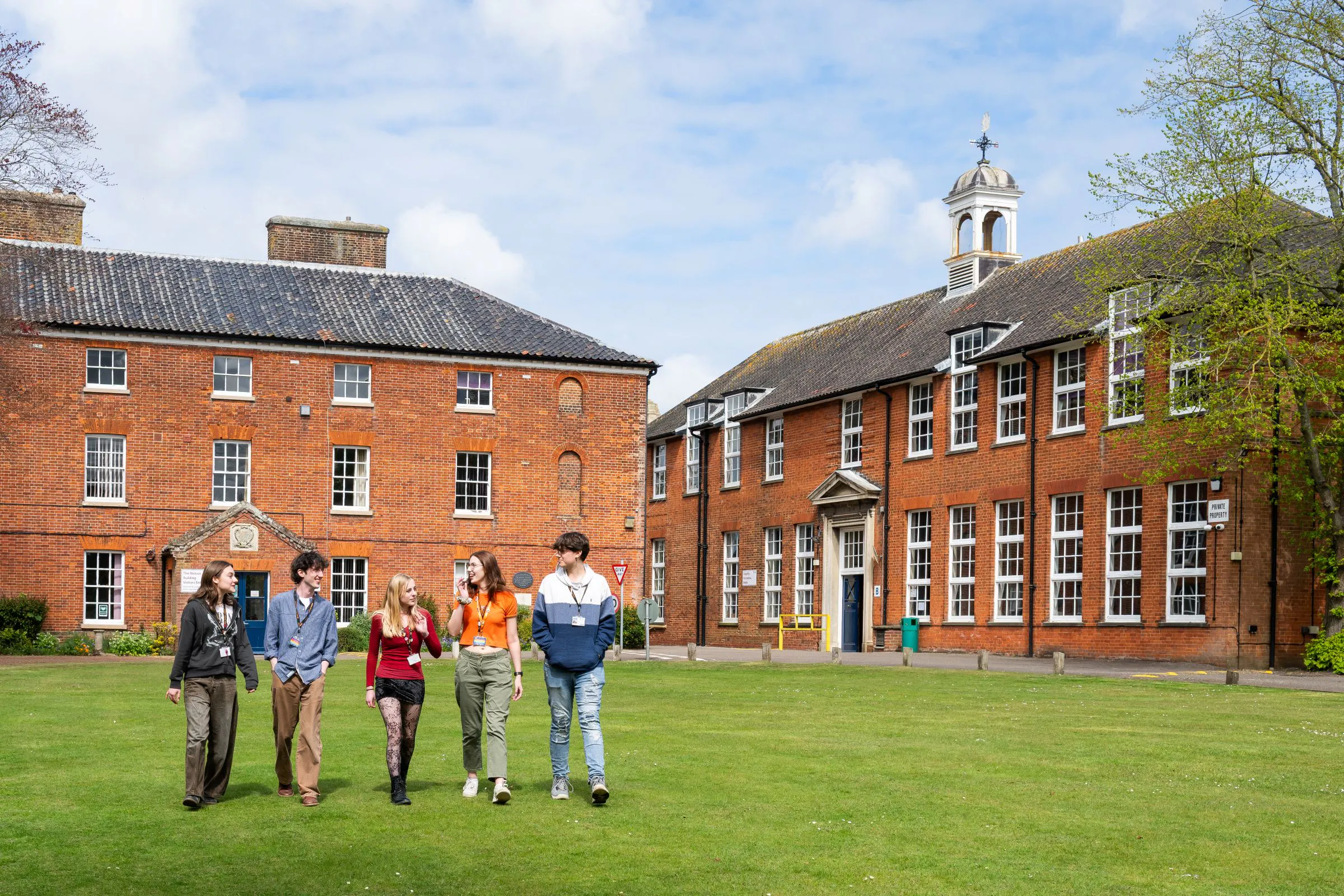
"City College Norwich was founded out of a need to provide technical education for the city's very different industries: boot and shoe making, printing, engineering, the construction trades, and the food and drink industry. It's evolved since then," explains Richard.  

The group’s curriculum covers an exceptionally broad range of sectors, from construction, engineering, digital, hospitality, public services, and the creative industries to the specialist land-based and sports provision at Easton College.  

"Easton covers land-based subjects such as agriculture and agricultural engineering, animal management, countryside and wildlife management; and it is also home to a centre of excellence for sport, complete with an equestrian centre and tennis centre," says Richard. "You'd be hard-pressed to find a sector that we don't have some provision for across the college group; and there’s a real focus on ensuring our provision supports regional skills priorities in sectors such as agriculture and agri-tech, advanced manufacturing, construction, and digital technology. "  

You'd be hard-pressed to find a sector that we don't have some provision for across the college group.

That breadth is matched by progression from introductory learning through to advanced qualifications.  

“The college has always maintained provision across all levels of learning: students who come here to learn basic English and maths, progress through further education and apprenticeships, and can continue to degree and postgraduate-level study.  

Paston Sixth Form College

“The college has constantly been adapting to qualification changes too. It was one of the first colleges to introduce T-levels. We've really been at the forefront of the T-level qualifications."  

This range places the college at the centre of a changing regional economy. Courses, teaching spaces, and equipment must keep pace with the needs of employers in the region and the sectors students hope to enter, often planning several years before those learners arrive in the workplace.  

"Further education colleges are very adaptable, very resourceful. We're constantly making changes to ensure our curriculum aligns with what each sector needs, now and in the future. We have to be very flexible, very adaptable to our communities, learners, and employers."  

Further education colleges are very adaptable, very resourceful. We're constantly making changes to ensure our curriculum aligns with what each sector needs, now and in the future.

Vehicle engineering illustrates that responsiveness. As electric and hybrid technology has become more important, courses and facilities have changed with it. A new Advanced Construction and Engineering Centre contains dedicated space for electric and hybrid vehicles, giving learners experience alongside their ongoing study of petrol and diesel engines.  

Alongside its education work, the college is exploring how facilities such as its restaurant, theatre, gym, tennis centre, and sports pitches can support additional commercial income. That resourcefulness matters in a sector where funding pressures influence decisions about staffing, buildings, and investment.  

Shane Smith, Procurement and Insurance Manager for the education group, explained: “In that environment, we're trying to become more commercially aware. That's probably the biggest step we're going to have to take as a college.  

"We've got our students doing catering courses in our own restaurant. So, on a couple of evenings a week, we'll have paying guests come in for fine dining."
For Shane, the variety that makes the group distinctive also complicates risk management.  

"Site security is obviously a risk consideration," says Shane. "All the campuses are open sites. We also need to consider the spiralling cost of energy. As an example, we're investing in new LED lighting and changing windows to be more energy efficient."  

The estate portfolio ranges from urban buildings to farmland, student accommodation, workshops, and animal facilities. Activities can involve machinery, construction equipment, chainsaws, livestock and animals, overseas travel, and events.  

"We have a health and safety team who make sure we are all aware of things that are going on. We have risk registers to cover major corporate risks like cyber-attacks, buildings being damaged, things like that, and we have risk assessments for more day-to-day risks, such as when a lecturer wants to organise a student trip. Our annual trip to South Africa is a wonderful experience, but it also takes a lot of planning and a lot of risk management."  

For the college, eliminating every risk exposure would mean removing valuable opportunities to learn. The task is instead to understand each activity, plan for it properly, and make informed decisions.  

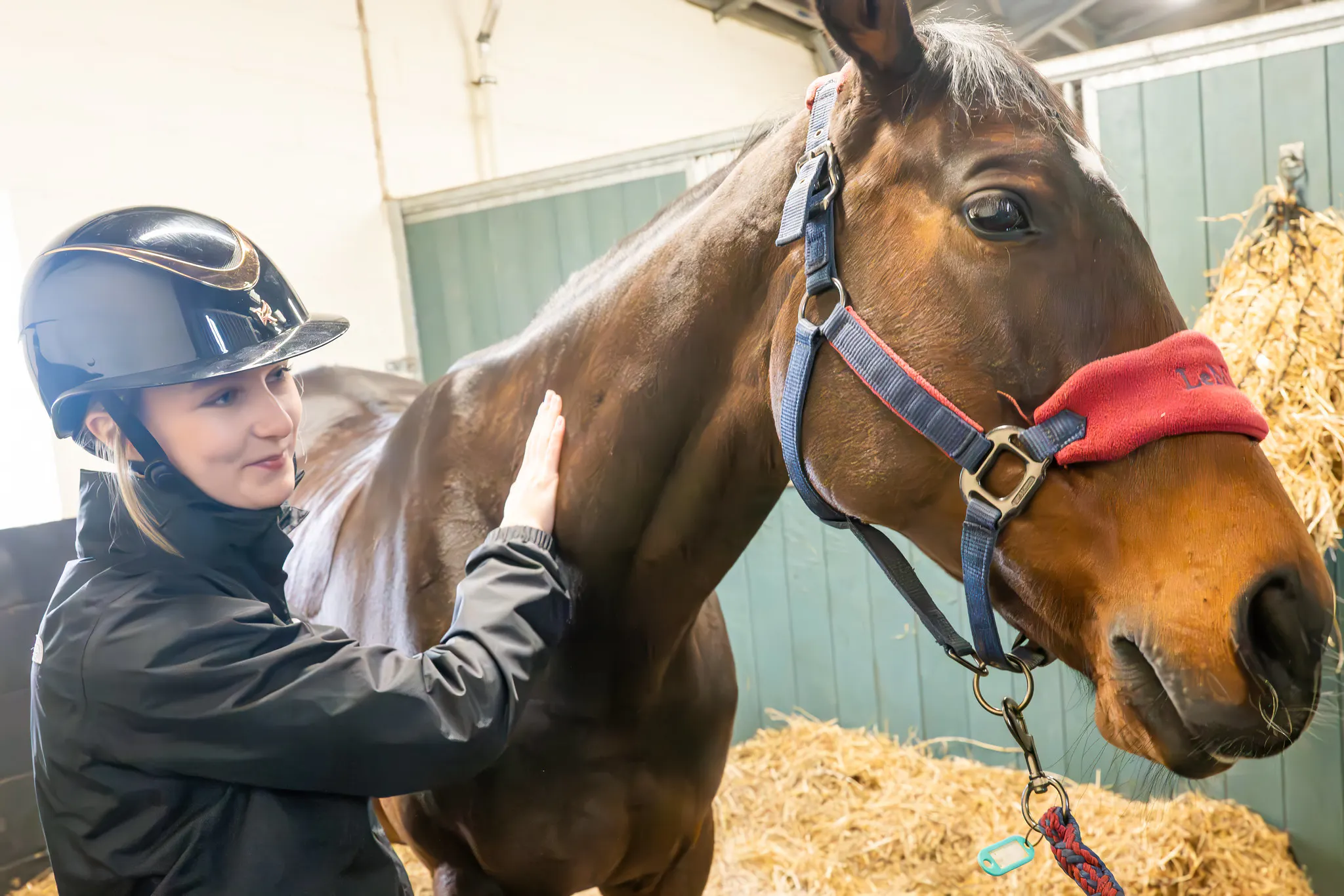
Every day the risk is different. We've actually just bought a horse for the equine centre. I'm thinking, 'What insurance do we need for a horse?'

“Every day the risk is different," explains Shane. "We've actually just bought a horse for the equine centre. I'm thinking, 'What insurance do we need for a horse?' The engineering centre has a race car. Then there are the general public liability and all the standard insurances."  

The stables at Easton College.

When the college’s insurance broking contract came up for tender, Shane was relatively new to the organisation. The Board of Governors are very supportive of local employers and suppliers and were keen that Alan Boswell Group had an opportunity to participate in the procurement process.  

Shane was looking for an organisation with sufficient influence in the insurance market, knowledge of the education sector, and a strong understanding of the region.  

“Sometimes it's safe for us to go with the market leader, sometimes we want someone who's going to give us that really deep local knowledge, and then the ideal scenario is a bit of both,” he said.  

"We had three face-to-face presentations. Each broker had their own strengths, and we knew they could all deliver the overall programme, but the final decision came down to the added-value element. Alan Boswell scored well in that area because we just knew we could work well together because of locality and the understanding of what we're trying to do." Shane said.  

The relationship began around the start of 2026. Since then, Shane has worked with the Alan Boswell Group team on the college’s current requirements and its future insurance strategy.  

I've been very, very pleased with the support and the level of service since the tender process. Everyone I've spoken to at Alan Boswell's has been superb, frankly.

For Shane, the quality of the working relationship has been apparent from the outset. “I've been very, very pleased with the support and the level of service since the tender process. Everyone I've spoken to at Alan Boswell's has been superb, frankly.”  

The college’s plans continue to adapt. A £5 million development has been announced to create more classrooms within the existing Ipswich Road campus, while consolidating its farming operations will lead to increased commercial farming.  

"There is a balance between being able to deliver what we need to as a further education college, ensuring the young people get what they need, as well as contributing to the sustainability of the organisation financially."  

Easton College

That capacity to look ahead while responding to urgent pressures has shaped City College Norwich throughout its history. Its facilities, qualifications, and partnerships will continue to change, but the purpose remains clear: to give people the knowledge, confidence, and practical experience they need for the world of work.  

For an organisation teaching across classrooms, workshops, farms, stables, and specialist facilities, risk will always vary. With careful planning and informed advice, you can manage those challenges without losing the experiences that make vocational education valuable.  

Find out more

To find out how Alan Boswell Group can support your organisation with insurance and risk management advice, contact our commercial insurance team.