A guide to modern agriculture and farming technology
Sustainable farming methods remain a priority worldwide as agriculture faces significant challenges, including climate change, water scarcity, and a rising global population.
Updated: 28.08.26
By
Sam Brown
In the UK, statistics show that self-sufficiency in food production sits at around 60%, but just 17% sufficiency in fruit and 55% in vegetables. Our reliance on imports adds an extra challenge, as some exporting countries increasingly experience extreme weather, limiting supply and raising the end cost for consumers. We look at how traditional farming methods are evolving through technology to help ensure food security.
What is modern agriculture?
Modern agriculture is a change from using traditional farming methods, manual labour, and farming based primarily on conventional weather patterns. Instead, it focuses on technology, science, and data to increase farming efficiency. A key part of this is investing in sustainable farming methods that support and promote healthy soil, rather than depleting it of essential nutrients and biodiversity.
Four popular modern farming methods
Most modern farming methods use technology to increase efficiency and yield, while reducing waste. Popular methods and approaches include:
Precision farming
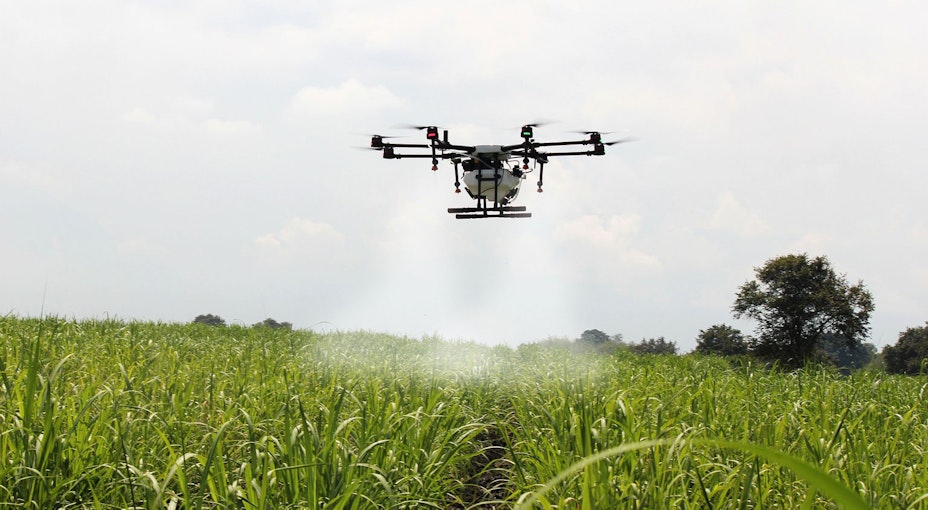
This approach relies on technologies such as GPS, drones, and digital connectivity (the Internet of Things, IoT) to precisely manage land and livestock. It can help farmers calculate the exact amounts of water, fertiliser, and pesticides needed and where, to maintain effective production and long-term land health, while reducing waste and increasing efficiency.
Vertical farming
Vertical farming focuses on (primarily) indoor, year-round farming with crops stacked above each other to maximise space using controlled environment agriculture (CEA) technology. It allows growers to control the environment, increase efficiency and production, and help reduce food miles, as crops can be grown in densely populated areas that traditional farming methods aren’t suitable for.
Hydroponics
Hydroponics grow plants indoors in nutrient-rich water, using significantly less water than soil-based growing. Plants also typically grow faster, and their environment can be controlled to ensure year-round production.
Aquaponics
This approach combines aquaculture (the cultivation of aquatic animals such as fish) with hydroponics. Fish waste provides organic matter and nutrients for the plants, while the plants purify the water. The system operates as a closed loop, with each part of the process supporting the other, making it highly self-sufficient and sustainable.
How technology is changing farms
Modern farming harnesses the power of data and technology to analyse patterns, regulate resources, reduce labour, and error margins. Specific examples include:
Drones and aerial imaging
Drones can be used to accurately map and monitor land. Coupled with imaging technology, they can highlight crop stress before it’s visible to the naked eye.
Data and artificial intelligence
AI is used to analyse and predict patterns as well as collate data from other technologies (such as drones or automated machinery). Using AI to provide insights can help farmers make informed decisions.
Smart sensors
Sensors can monitor livestock and detect early signs of illness, while ground sensors can assess soil quality and nutrient levels.
Automation
Machines that function without human involvement can reduce reliance on physical labour, lower long-term costs, and increase efficiency. Examples include robotic milkers, GPS-guided tractors, and farm robots that can pick weeds and help harvest.
The future of farming: gene editing and sustainability
Biotechnology enables scientists to alter DNA to develop plants with greater resistance to pests, diseases, and extreme weather conditions. Plants can also be altered to include beneficial characteristics that can increase overall yield.
Sustainability continues to be a major focus for agriculture. In the farming sector, this approach encourages businesses to balance the greenhouse gases they produce with an equivalent amount removed from the atmosphere. This can be achieved through reduced waste, reduced emissions (including those from fertilisers and manure), and increased use of renewable energy, such as solar.
What are the disadvantages and challenges of modern agricultural farming practices
Modern agricultural practices typically still focus on monoculture and the use of fertilisers, which degrades soil over time. Although precision farming aims to minimise long-term harm to soil by reducing chemical use, research shows that polyculture farming encourages improved long-term sustainability. However, growing multiple crops in the same space can prove challenging as it’s more difficult to automate. One example of successful polyculture farming is Guyana, which has 100% food self-sufficiency.
Agritech also comes with high initial costs. Investing in equipment, subscriptions to data analysis platforms, and maintenance costs can make some aspects prohibitive. Without full investment, farm businesses won’t reap the benefits, and could make little difference to overall efficiency.
Modern agriculture’s heavy reliance on digital connectivity is also a stumbling block. In rural areas with unreliable connections, or if networks are down, businesses lose access not just to data, but entire operations can come to a standstill – particularly vertical farming or hydroponics, which rely on climate-controlled environments. This is where specialist insurance can help with covering the cost of lost production and output.
Insurance implications for the modern farm
Farming has always come with risks, but modern practices alter the types of hazards farms are exposed to, changing their risk profile from an insurance perspective. As well as protecting traditional assets, such as farm buildings, livestock, and mechanical equipment, farms must now also protect high-value technology-led machinery, such as drones with multispectral cameras.
This change in risk profile increases the need for specialist farm insurance and add-ons that cover:
breakdown or accidental damage to expensive agricultural vehicles and computerised machinery;
theft of high-value items;
business interruption if technology fails and halts production.
If you’ve also diversified farm operations, it’s likely you’ll need additional cover as standard farm insurance policies are unlikely to cover activities such as camping, hosting weddings, conferences, or letting out holiday cottages on your land.
Get help with your farm insurance
As experts in farm and agriculture insurance, we can help you assess your options and tailor policies to reflect your changing business needs, whether you’ve chosen to diversify, invest in modern agritech, or both. For more information or to talk to one of our farming specialists.
How can Alan Boswell Group help?
We understand that farming isn’t quite like other industries and that needs will vary tremendously based on the risks associated with your farming practices. Our dedicated farm specialists can help you with all aspects of risk management, engineering inspection services, and health and safety training.
As a farm owner, it’s important to consider the financial risks your business will face and how tailored agricultural insurance can protect your assets. For more information and to speak to an expert, call a member of the team.
Related guides and insights

Guide to farm succession planning
Changes to Agricultural and Business Reliefs mean that Inheritance Tax could impact more farming families than before. But wealth management and succession planning can help minimise what’s owed; we look at what you need to consider.

Top farm diversification ideas
72% of farms in England carry out some form of diversified activity, bringing in an average additional income of £31,000. We explore some of the most popular farm business diversification ideas that can help you top up your income.
Why hail damage insurance is vital to UK farming
Join us as we explore the importance of hail damage insurance for farms.

The Garretts – a multi-generational farming family invested in their financial future
We spoke with Roger and Tina Garrett about how Alan Boswell Financial Planners assist them with their personal pensions and employee benefits.