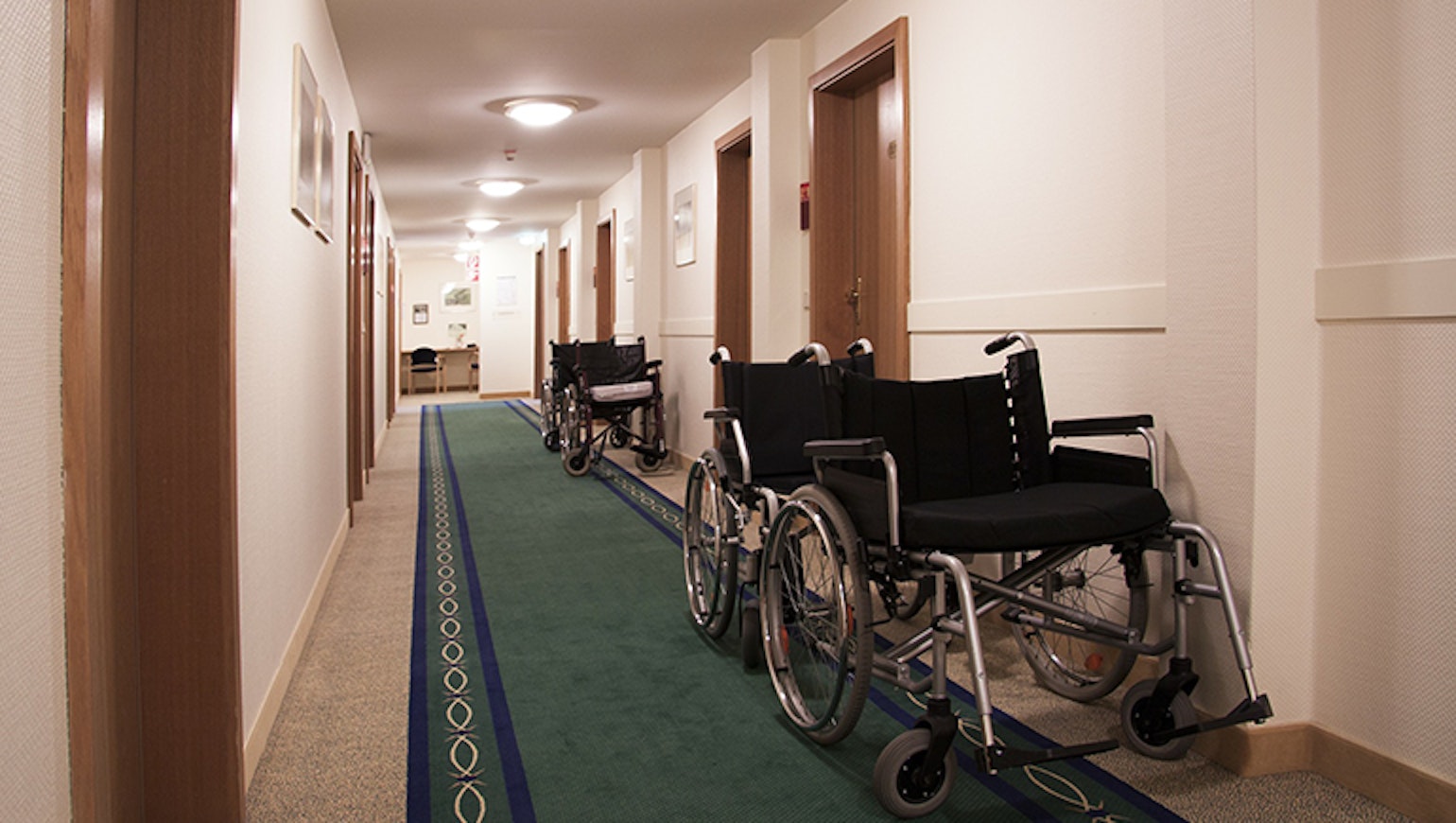
Winter contingency plans for care homes in England
If you run a care home, check whether your business continuity plan will work effectively in winter.
A key part of this process is ensuring managers, care teams, maintenance staff, and others are not only familiar with your contingency plans but also understand how they work in practice. For example, if a plan includes a fallback generator, people need to know what equipment it powers and for how long.
In this article, we explore ways to ensure your care home is ready for winter, and how tailored care home insurance can further protect residents, staff, and the facility itself.
Updated: 12.10.26
By
Ben Hunt
This content was factually correct when written but may not reflect current developments or information.
Why winter planning is critical for care home compliance
Winter poses extra risks to care home environments.
The season often brings a surge of transmissible respiratory and gastrointestinal viruses, including colds, flu, and norovirus. These pose a risk to vulnerable residents and can also cause staff absences and shortages.
Severe weather hazards such as storms, freezing temperatures, and power failures can quickly cause chaos. Heating or water supplies can be interrupted, while snow can make it difficult for your staff to get to site and bring in outside help, particularly in rural areas. For this reason, homes in England must manage risks to safe care, and the Care Quality Commission (CQC) asks new care home operators for a written business continuity plan when applying for registration. These plans should address risks ranging from pandemics and utility failures to building damage, cyber attacks, evacuation needs, and supplier failure.
While these events can happen at any time of year, it’s still useful to consider risks that are more common in winter, as this will make your winter contingency planning more effective.
Core elements of an effective winter contingency plan
1. Proactive infection prevention and control (IPC)
Taking active steps to prevent infections is a key part of winter contingency planning, as is controlling them when they take hold.
An annual vaccination campaign can help reduce the risk of serious illness, although outbreaks can still occur. Care homes can work with local GP practices or NHS vaccination services to ensure eligible residents will be offered seasonal jabs. Staff may also be eligible for vaccines but always check in advance as eligibility and seasonal programmes can change.
Hygiene protocols also help slow the spread of viruses. However, staff must be properly trained in them. For example, flu and norovirus may need different precautions. The UK Health Security Agency’s guidance for adult social care in England says staff caring for someone with diarrhoea or vomiting must wash with liquid soap and water. Alcohol hand rub isn’t sufficient as some pathogens aren’t destroyed by alcohol.
In addition to personal hygiene, your winter review should also cover cleaning, ventilation, and the PPE needed for different care tasks.
Once staff suspect an outbreak, the plan should state who records symptoms in residents and staff, who seeks clinical or public health advice, and who checks unwell residents for signs of deterioration. The response will depend on the infection and the advice received. It may mean caring for symptomatic residents in their rooms, assigning staff to affected areas, or increasing cleaning.
An outbreak may also affect admissions and visiting, so those arrangements need reviewing as circumstances change. Homes should implement safety measures that allow them to continue to facilitate visits with residents where it is safe to do so. Residents and families should understand what is changing and why, and the home should continue to review any additional precautions so they can be lifted when it is safe to do so.
For respiratory infections in England, UKHSA guidance says homes should discuss potential new admissions during an outbreak with the person or their relatives and, where relevant, the hospital discharge team and commissioning authority.
2. Protecting utilities, heating, and infrastructure
In a care home, utilities are critical to vulnerable residents’ wellbeing. If the heating fails and there’s no backup plan, you may need to relocate residents.
For this reason, your winter contingency planning should include servicing boilers before the weather gets cold, checking that exposed pipes are properly lagged, and ensuring routine work, like gutter clearance, is done in good time.
Your contingency plan should also explain what staff should do if a pipe bursts, and who to call for out-of-hours repairs. When conditions require it, ensure entrances and delivery routes are clear and gritted.
Any backup power source, such as a generator, needs regular testing. Make sure staff know what it serves and how long it can run. Check what would happen to heating, lighting, alarms, medicine storage, and equipment used by individual residents. For anything the backup cannot support, plan for how care would continue.
Your plan also needs a decision point. In other words, when would a loss of heat, water, or power make the home unsafe? Agree who can authorise a move, where residents would go, and how transport would be arranged. The CQC expects business continuity plans to include an evacuation and relocation plan, including agreements with other care providers and the local authority where necessary.
3. Stocking essential emergency supplies
When considering emergency supplies, start with the items your home relies on most. For example, do you have sufficient PPE, cleaning products, and essential medical supplies to cope with an outbreak? If snow held up food and medicine deliveries, how long would your reserves last? Have you made urgent medicine arrangements with a pharmacy?
For worst-case scenarios, make sure you have enough bottled water, non-perishable food that meets residents’ dietary needs, and items like blankets, torches, batteries, and equipment for clearing snow and ice. Before winter comes, check stock levels, best-before dates, and make sure the relevant emergency items are in working order. Most importantly, ensure that staff know where everything is kept.
4. Staff continuity, training, and remote access
Care homes rely on staff to operate, needing their presence around the clock, no matter the day or season.
If illness leaves the home short-staffed, suitably trained agency staff may be able to cover, provided they receive a handover on residents’ needs and the home’s procedures. During a respiratory outbreak, staff should follow current infection control and public health guidance, aiming to minimise movement between different homes/sites.
Blocked roads are a different problem. If they are impassable, the next shift may be unable to reach the home, while staff on duty may not be able to leave.
For this reason, if heavy snow or a storm is forecast, managers should review the next few shifts while travel is still possible and arrange for enough staff with the right skills to be at the home if a changeover is delayed. Plan how they will cover care in turns and where they can rest if they cannot get home.
Staff on duty must also be able to act if the manager cannot get in or the main IT system fails. Keep essential contact details and care information accessible, make clear who will contact families and outside services, and agree which decisions staff can make themselves.
How care home insurance protects your facility in winter
Even the best contingency plan can’t stop a pipe from bursting or a storm damaging a roof, leaving a home to face repair bills, lost income, and the cost of temporary arrangements. Insurance can help with those financial consequences if the event and the losses are covered.
Property damage cover
This cover may pay to repair insured buildings and replace damaged contents or equipment after an insured event, such as storm damage or an escape of water. Check what property is insured, the excess, and any conditions relating to building maintenance.
Business interruption cover
If damage makes bedrooms uninhabitable or other key parts of the home unusable, the right business interruption insurance may cover lost income and certain extra costs while things are put right.
When choosing a policy, check how long payments would continue and whether the policy includes temporary premises and the cost of moving residents.
Do not assume the same cover will pay for disruption caused by flu or norovirus. For example, some policies list pandemics, viruses, and diseases among their exclusions, so be sure you understand the policy’s terms.
Public & employers’ liability
If a resident, employee, visitor or delivery driver is injured and claims the home failed to take reasonable care, public or employers’ liability cover may help with the cost of defending the claim and any compensation owed, subject to the policy terms. Keep records of when you checked paths and entrances, how you addressed identified hazards, and what happened after an accident. This information will help establish the facts if a claim follows.
FAQs
What should be included in a care home winter risk assessment?
For each possible disruption, record who would be affected, how their care might change, who makes the first decision, and when to escalate the issue. Include the needs of individual residents as well as risks to the building.
How should a care home prepare for prolonged power outages?
The checks outlined in this article should establish how long the home can provide safe care without mains electricity. During an outage, the person in charge needs to check residents who depend on powered equipment, contact the electricity supplier, and use the agreed alternatives before backup runs out.
Are care homes legally required to have a winter plan?
There is no single UK-wide law requiring a document called a “winter plan”. In England, CQC requires providers to manage risks to safe care, premises, staffing and governance, and asks new care home applicants for a business continuity plan. These rules may differ for homes in Scotland, Wales and Northern Ireland.
Is your care home ready for winter?
Winter can disrupt care homes. Illness can cause staffing problems and put residents at risk. Bad weather can delay supplies or cause heating or power outages.
With a detailed contingency plan, you can plan ahead for these problems and help keep essential care going where it is safe to do so. You and your staff can also use it to make urgent decisions, such as moving residents elsewhere. However, it won’t remove the financial impact of repairs or lost income after a serious incident. This is why care home insurance is so important in helping to meet some of the costs after an insured event (subject to the policy’s limits and exclusions). If you’d like to learn more, contact our specialist team today to discuss your options.
Contact our specialist team today
Winter brings severe operational challenges from soaring infection rates (flu and norovirus) to infrastructure failures like frozen pipes and power cuts.
If you would like to know more on care home insurance and continuity planning, contact our team today.
Related guides and insights

Comprehensive guide to care home insurance: protecting your business
If you own or manage a care home, ensure you have all your insurance liabilities covered with our comprehensive guide.

Guide to Care Quality Commission assessments
The Care Quality Commission inspects care homes to ensure they meet quality and safety standards. To help you prepare, we look at CQC requirements, what’s involved, and how the result affects your care home insurance premium.

Managing resident safety risks in care homes
Care home insurance can help mitigate the financial impact of accidents and mistakes, but avoiding unnecessary risks in the first place should be a priority. We look at how to manage resident safety and implement effective risk assessments.

The difference between domiciliary and residential care
Domiciliary and residential care share similarities, but if you’re thinking about setting up a domiciliary care business or weighing up care options for a loved one, what are the differences and advantages of each?

Guide to setting up a care home
Setting up a care home comes with strict rules. We look at your obligations and why care home insurance is an essential part of registration.