
Should you invest in a dash camera for your self-drive hire vehicle?
10.08.26
By
Jess Cliffe
When you're hiring out motorhomes and campervans, it is often to hirers who aren’t familiar with driving a much larger vehicle, coupled with unfamiliar surroundings. From minor scrapes in car parks to more serious road traffic incidents, accidents can happen even to the most careful drivers. That's why more self-drive hire operators are installing dash cameras as a simple way to protect their vehicles, customers, and businesses.
While dash cameras can promote safer driving and provide peace of mind on the road, they can be particularly advantageous if you have to make a claim on your insurance.
What is a dash camera?
A dash camera (or dash cam) is a small recording device mounted inside a vehicle that continuously captures footage of the road ahead. Devices can also include rear-facing or internal cameras or microphones, providing a more complete view of a journey.
Depending on the model you choose, many dash cameras operate automatically whenever the vehicle is being driven, recording footage that can be used if an incident occurs, while others may need to be plugged in or charged in advance.
Supporting claims with clear evidence
Following a road traffic accident, establishing exactly what happened can be challenging. Drivers may have different recollections of events, dispute who was at fault, and independent witnesses are not always available.
Dash camera footage can provide an objective record of the incident, helping to show:
The position and movement of vehicles before impact
Road and traffic conditions at the time
Weather and visibility conditions
Traffic signals, road signs, and lane markings
The actions of other road users
Faster claims resolution
One of the most common frustrations following an accident is the time it can take to resolve a claim when there is uncertainty about the circumstances.
Where high-quality dash camera footage is available, it may help insurers gather the information they need more efficiently and reduce disputes over fault, enabling claims to progress more quickly.
For self-drive hire businesses, this can mean getting vehicles repaired and back on the road sooner, helping to minimise disruption to bookings and lost revenue.
Protection against false claims
Unfortunately, not all claims are genuine. Dash camera footage can help protect vehicle owners from fraudulent or exaggerated allegations.
Examples may include:
Disputes regarding who caused an accident
Claims for damage that was not related to the incident
Allegations of dangerous driving that did not occur
Video evidence can provide valuable context and help establish the facts, reducing uncertainty during claim investigations.
Additional benefits
While the claims process is often the key reason for installing a dash camera, there are several other advantages:
Encouraging careful driving - knowing that journeys are being recorded can encourage greater awareness behind the wheel and help promote responsible driving habits.
Monitoring vehicle use - some advanced systems include GPS tracking and telematics features, providing additional insight into vehicle location, speed, and usage patterns.
Recording near misses and incidents - footage can be useful when reviewing near misses or non-collision incidents, helping operators identify trends and improve risk management practices.
Choosing a dash camera
If you're considering installing a dash camera, look for features including:
High-definition video recording
Automatic recording
Wide-angle lens coverage
Night vision capability
Automatic incident detection (G-sensor technology)
GPS location tracking
Secure and reliable data storage
Front and rear camera options
It's also important to ensure that any use of dash cameras complies with UK data protection requirements and that customers are made aware that recording equipment is fitted to the vehicle.
Dash cameras are becoming increasingly common across commercial and private vehicles, as they provide an independent record of events, can help protect against fraudulent claims, and may support a faster claims process.
For self-drive hire motorhome and campervan operators, a relatively small investment in a dash camera could help reduce the time your vehicle is off the road following a claim, reducing lost revenue and disruption to your business.
Need help with your insurance?
If you have a question regarding your self-drive hire insurance, are looking for a quote, or want to discuss a claim, speak to our expert team.

How to make a self-drive hire insurance claim
We understand that your vehicle is your income and that it’s important for claims to be resolved swiftly. We look at what you can expect to happen if you need to make a self-drive hire insurance claim.

Do you need cyber insurance to protect your self-drive hire business?
Recent attacks on car hire firms across the world have highlighted once again the importance of protecting systems and business operations; here’s how you can stay one step ahead.

Crit’Air stickers: a guide for car, motorhome, and campervan owners
If you’re planning to take a road trip to France – or you run a self-drive hire company – you need to make sure you get a Crit’Air sticker to drive in low-emission zones. We take a look at the increasingly complex rules on this topic.
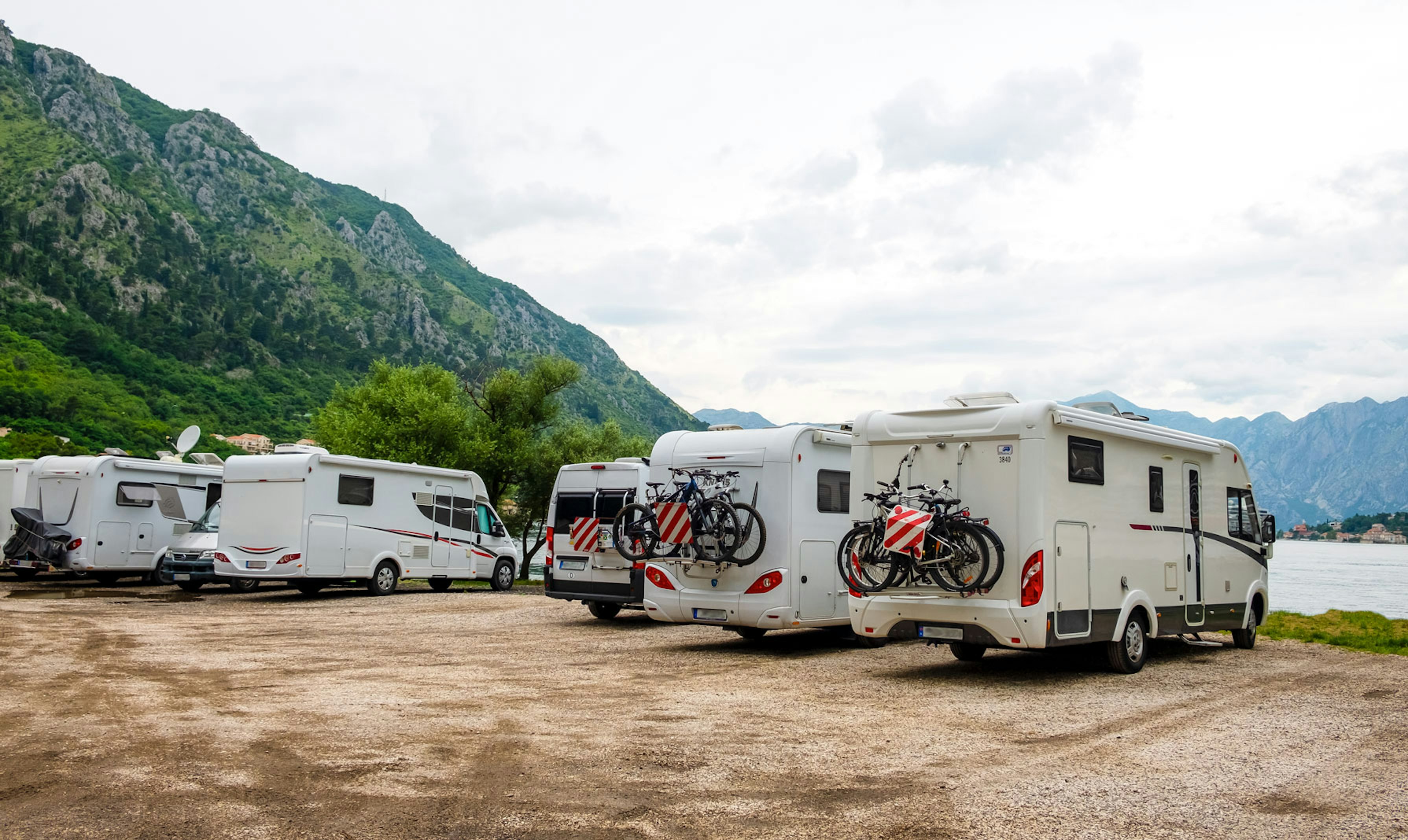
Risk management strategies for campervan and motorhome hire companies
As the popularity of campervan rentals continues to rise, so do the associated risks. Ensuring the safety and security of your vehicle and the renter is important when looking to maintain a successful and reputable rental business. In this context, implementing robust risk management strategies can help mitigate potential problems and protect your investment. This article outlines strategies to identify, assess, and mitigate risks associated with renting out your vehicle to customers.